Song Meaning
The lyrics paint a picture of profound calm and acceptance, a quiet surrender to the present moment. There's a sense that past conflicts have dissolved, leaving behind a peaceful resignation. The narrator suggests buying a bottle and simply going somewhere to sit, indicating a desire to escape the need for struggle and embrace stillness. This isn't a frantic joy, but a deep, almost weary, contentment.
The central tension, or rather the absence of it, is striking. The line "Ei meillä enää ole mistä tapella" (We no longer have anything to fight about) sets a tone of resolution, not through victory, but through exhaustion or understanding. The years have apparently smoothed over all the rough edges, leaving a landscape where conflict is obsolete. This peace feels earned, or perhaps just arrived at, after a long period of turmoil.
The most compelling aspect is the juxtaposition of this serene acceptance with the looming possibility of the "Maailmanloppu huomenna" (End of the world tomorrow). This dramatic contrast highlights the narrator's present-moment focus. It suggests that external chaos or future doom holds no sway over their current state of "Kaikki hyvin on" (Everything is fine). The repeated phrase "Tulkoon mitä vaan" (Let whatever may come) becomes an anthem of radical acceptance, a shield against anxiety.
This lyrical approach is effective because it taps into a universal human desire for peace, especially in uncertain times. By grounding the feeling in concrete actions like buying a drink and sitting down, and by pairing it with the ultimate uncertainty of the world's end, the song creates a powerful emotional resonance. It’s the quiet strength found not in fighting, but in simply being, no matter what tomorrow brings.
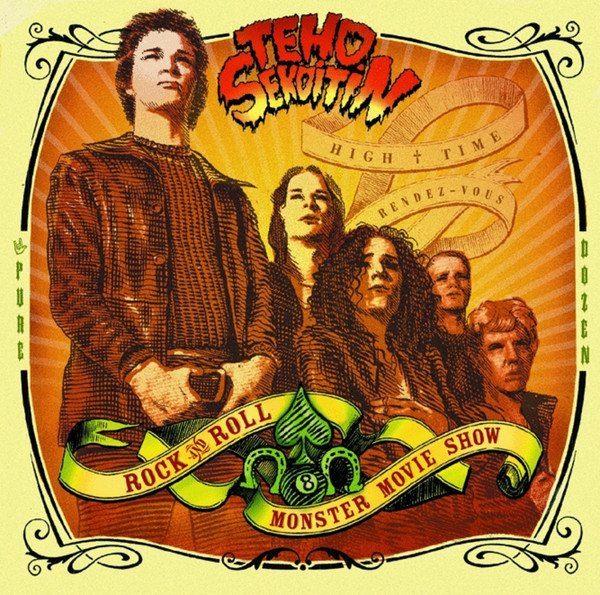
 View Artist