Song Meaning
The lyrics paint a stark picture of economic disparity, contrasting the narrator's group with the wealthy "pohattoja" (big shots) cruising in their yachts. The narrator and friends are left "on the shore," contemplating their limited circumstances, with "no money." Their world is defined by "harbor shores" and "abandoned factory windows to break," suggesting a sense of stagnation and a lack of opportunity compared to the effortless luxury they observe.
The central tension lies in the narrator's bewildered questioning: "Why was I born poor?" This isn't just a lament but a profound confusion about fate and circumstance. Yet, this is immediately followed by a surprising shift: "Maybe I don't even care." This suggests a complex emotional response, moving from resentment to a potential, albeit weary, acceptance or detachment from the desire for wealth.
The writing sharpens when it contrasts the "coast road crooks" (wealthy individuals) who "complain about the unbearable lightness of being" with the narrator's own struggles. The wealthy lament their own perceived burdens, which the narrator finds absurd given their own lack of resources. The repeated phrase "Hei mun on pakko kelaa" (Hey, I have to think about it) underscores the constant mental effort required to navigate their reality, a stark contrast to the ease of those they observe.
This lyrical approach is effective because it grounds abstract feelings of inequality in concrete imagery and a relatable, if painful, internal dialogue. The direct, almost conversational tone, coupled with the unexpected turn towards indifference, creates a powerful emotional resonance. It captures the frustration of being on the outside looking in, while also hinting at a deeper, perhaps more self-protective, perspective that questions the very value of what is being envied.
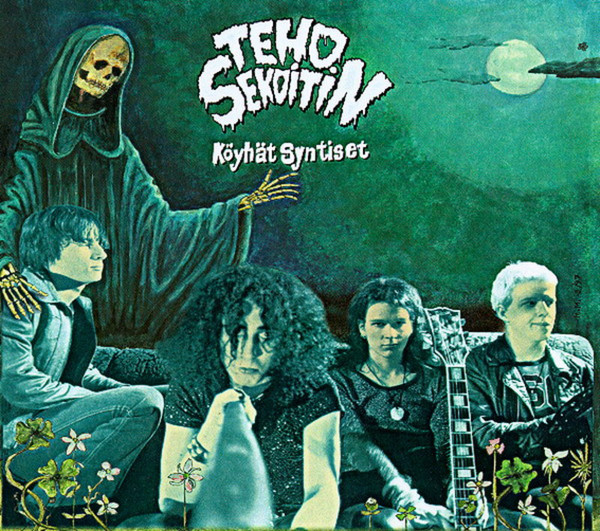
 View Artist