Song Meaning
The lyrics paint a stark picture of unrequited love, where the narrator is repeatedly rejected yet unable to let go. The opening lines, "Sanot ettet rakasta mua..." (You say you don't love me...), immediately establish a painful refrain. This rejection isn't just a fleeting hurt; it brings "apeuden taas luoksein tuo" (sadness back to me) and causes sleepless nights filled with writing "murheellisia runoja" (sad poems). The narrator acknowledges the futility, admitting "tuskin rakastut" (you hardly fall in love) and understanding the other person's desire not to hurt them, yet the compulsion to love persists.
The central tension lies in the narrator's desperate, almost masochistic devotion against the clear signals of rejection. They confess, "silti enemmän sua vain mä rakastan" (still, I only love you more) and "En voi sua rauhaan jättää" (I can't leave you in peace), even while recognizing that "olis paras" (it would be best) to do so. This internal conflict highlights a deep-seated need for connection that overrides rational thought and self-preservation. The repeated phrase "Ja uudelleen ja uudelleen" (And again and again) underscores the cyclical nature of this painful pursuit.
The craft here is in the raw, almost blunt articulation of despair. There's no elaborate metaphor, just a direct confession of an overwhelming, irrational love. The contrast between the narrator's intense feelings and the other person's clear lack of reciprocation is the driving force. The lines "Mut vaik en saa sua kuitenkaan / En voi sua rauhaan jättää" (But even though I can't have you / I can't leave you in peace) perfectly capture this inescapable fixation. The simple, repetitive structure mirrors the obsessive thoughts of someone caught in this emotional loop.
What makes these lyrics hit hard is their unflinching honesty about the less glamorous side of love: the pain, the persistence, and the irrationality. The narrator isn't seeking pity but simply stating their reality, a reality where love is a force that defies logic and leads to continued suffering. The final lines, "Mä ymmärrän kyllä miltä tuntuu / Kun et haluis satuttaa" (I understand how it feels / When you don't want to hurt), offer a sliver of empathy for the rejector, but it's overshadowed by the narrator's own enduring, hopeless affection.
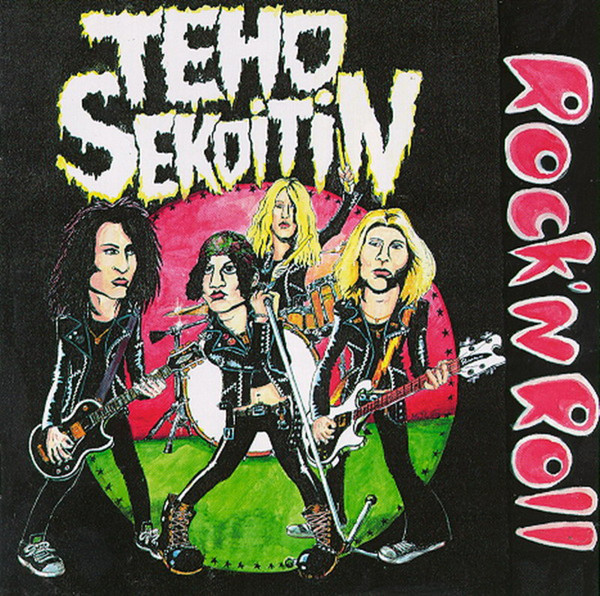
 View Artist