Song Meaning
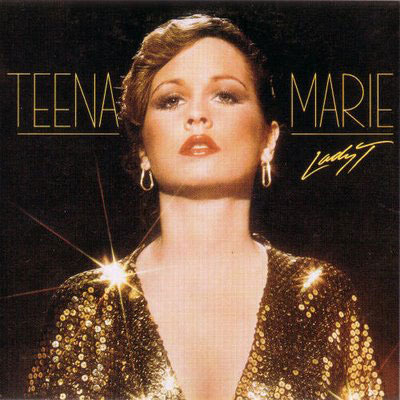
Teena Marie's "Too Many Colors (Tee's Interlude)" isn't just a song; it's a brief, potent distillation of societal anxieties viewed through a uniquely personal lens. The opening lines immediately establish a sense of overwhelming discord: "Too many colors I can't blend." This isn't about literal hues; it's a lament about the fractured state of human interaction, the inability to find harmony amidst a cacophony of perspectives and prejudices. The reference to "paint-by-number minds" suggests a frustration with conformity and a lack of individual thought, further amplified by "too many twisted minds." Marie paints a portrait of a world stifled by rigid ideologies and cognitive distortions. The song meaning here resides in the yearning for a simpler, more empathetic reality.
The emotional core of the song lies in Marie's plea for connection and acceptance: "It would be bliss if we were color-free / But I'm asking too much." This line carries a heavy weight of resignation, acknowledging the near-impossibility of transcending the ingrained biases that divide us. Yet, amidst this somber outlook, there's a palpable desire for intimacy and love: "I want to be touched / I need to be loved / I long to be touched and loved by too too many colors." The repetition emphasizes the depth of this longing, suggesting that true healing can only occur through embracing the very differences that cause conflict.
The interlude takes on a tender quality with Maya Rudolph's cameo, shifting the focus to a childlike innocence as a potential antidote to the world's complexities. Rudolph's question, "What would the world be like / If everyone saw with their hearts instead of their eyes?" encapsulates the song's central theme: the need for empathy and compassion in a world saturated with judgment. Marie's response, likening such a world to Rudolph's "innocent and pure" smile, reinforces the idea that genuine connection is possible, but requires a fundamental shift in perspective. The final, repeated wish for "the year of the child" underscores a longing for a return to a state of unadulterated love and acceptance, free from the "too many colors" that cloud our vision.
 View Artist