Song Meaning
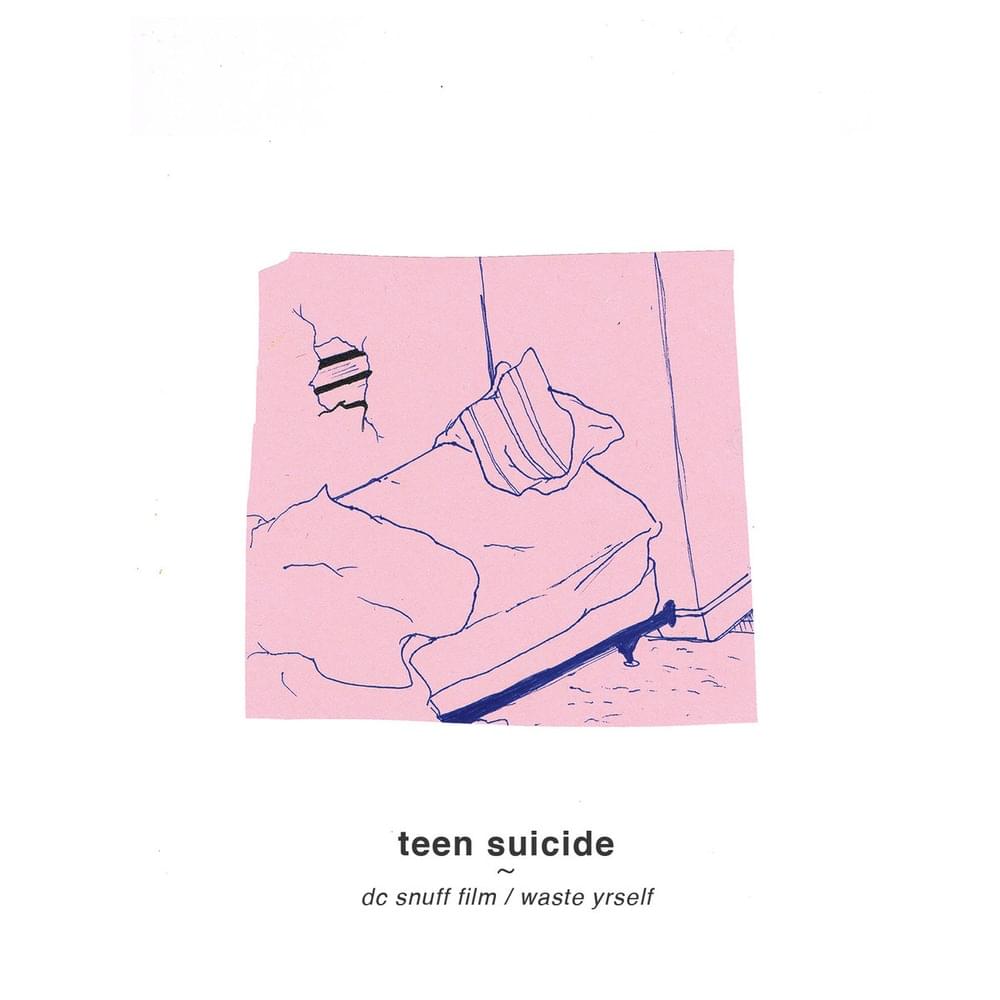
The lyrics open with a stark image of inertia: "Stay in bed / Sometimes turning to my right / Until I close my eyes." This isn't about rest, but a profound disengagement, a deliberate withdrawal. The narrator clarifies this isn't about "sleep or death," but something "much smaller and paler," suggesting a lingering, muted despair rather than an acute crisis. This sets a tone of quiet, internal struggle.
The central tension arises from a disconnect between past actions and present feelings. The narrator recounts experiences – losing weight, throwing up, a fleeting dance – that seem like attempts at engagement, yet they're framed by a deep apathy. The line "I don't see the point" is repeated, highlighting a loss of motivation and a questioning of social norms and personal effort. This apathy is so strong it leads to a rejection of niceness and cleanliness, indicating a desire to remain in this state of disaffection.
The most striking aspect is the contrast between the mundane details and the overwhelming emotional void. A night out, involving a dance with a stranger, is immediately undercut by the realization "We won't be friends." This fleeting connection, a normal social interaction, is perceived through a lens of inevitable disconnection. The physical act of throwing up in a public place in Baltimore, a specific and jarring detail, underscores a sense of being unwell and out of control, yet it's presented matter-of-factly, almost as an expected consequence of this internal state.
This lyrical approach is effective because it grounds abstract feelings of apathy in concrete, almost embarrassing, details. The refusal to "get clean" or be "nice" isn't a grand statement of rebellion, but a quiet surrender to a feeling of pointlessness. The lyrics capture a specific kind of low-grade emotional exhaustion where even the effort of social pleasantries feels too much, making the listener feel the weight of this internal paralysis.
 View Artist