Song Meaning
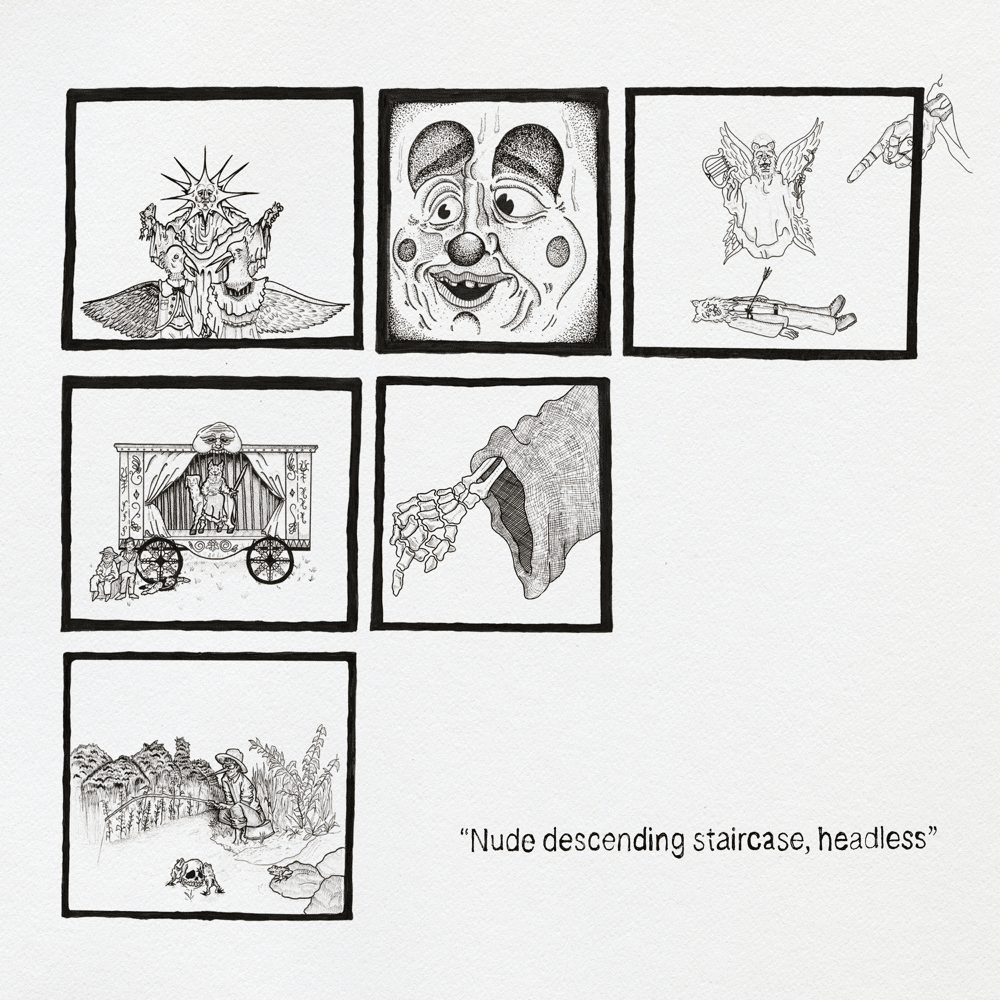
The lyrics paint a picture of forced positivity, a cheerful facade masking a deeper unease. The opening lines declare "Everything's alright" and "nothing wrong," yet this is immediately undercut by the suggestion that people are coming "to hear the song," implying a performance rather than genuine joy. The narrator offers a peculiar remedy for sadness: "come and see the clown."
The central tension arises from the juxtaposition of the clown's supposed perfection and the underlying theme of "depression." The clown "knows what is asked of him," "doesn't talk," and "never falls," presenting an image of flawless, almost robotic execution. This idealized, silent performer is then explicitly linked to "depression," suggesting that this is the very emotion the clown is meant to represent or perhaps alleviate through its unchanging act.
The most striking craft element is the unsettling comparison of the clown's performance to "a kiss from your mother's lips." This intimate, comforting image is jarringly applied to a figure that is ultimately presented as a spectacle for the downtrodden. The lyrics describe the clown's act as "romantic" and "incessant," highlighting a persistent, almost obsessive quality that feels less like genuine comfort and more like a manufactured, unending display.
This disconnect between the outward appearance of happiness and the hinted-at despair is what makes the lyrics so effective. The narrator's seemingly simple recommendation to "see the clown" becomes a complex commentary on how society might offer superficial solutions to profound emotional pain. The final lines, "We pray to god he never stops," reveal a desperate reliance on this unchanging, artificial comfort, fearing what might happen if the performance ceases.
 View Artist