Song Meaning
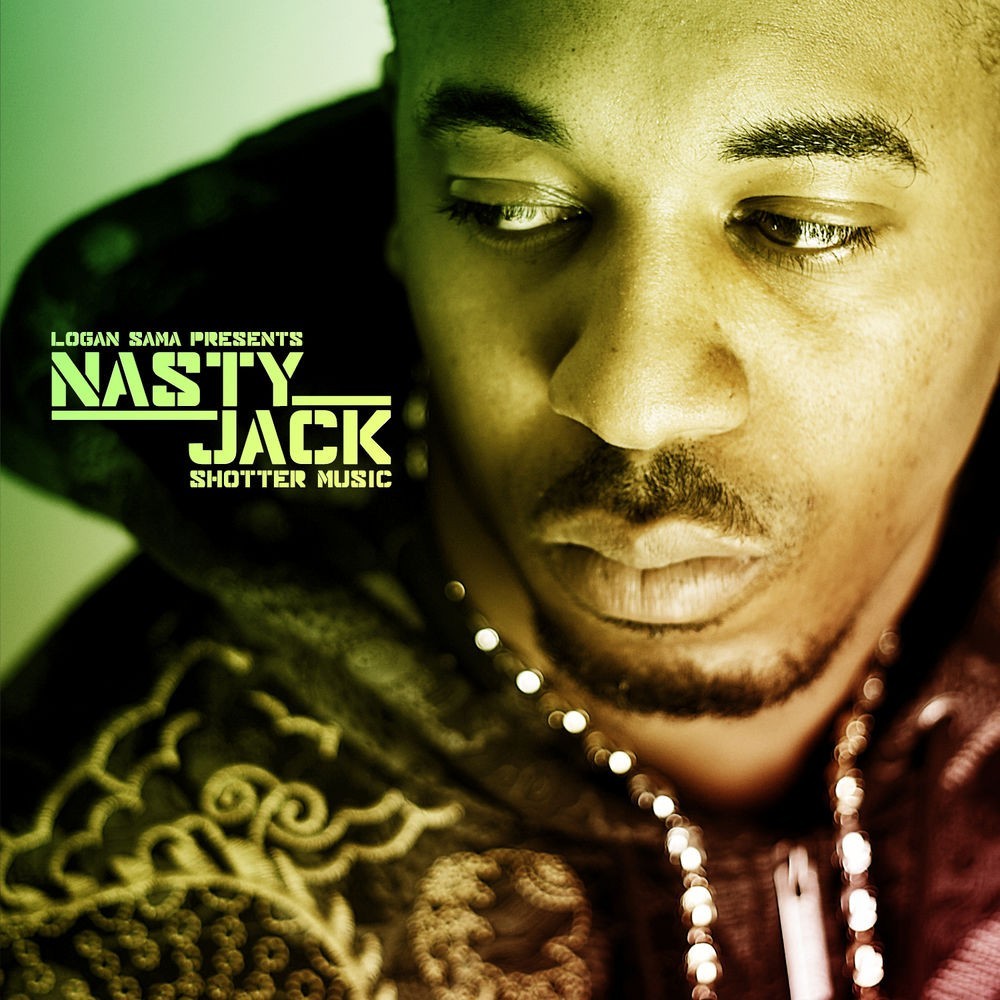
This intro sets the stage for a compilation, immediately grounding the listener in a specific era of UK radio and sound system culture. It name-drops foundational pirate radio stations like Flex FM and influential figures like Rob Lowe and KIN, establishing a lineage. The rapid-fire references to Eskimo Dance and Sidewinder, alongside aliases like Nasty Jack, paint a picture of a seasoned artist deeply embedded in the scene for years. It’s a direct address, a declaration of legacy before the music even begins.
The core purpose here is to establish the artist's credibility and historical significance. By listing past monikers and mentioning the sheer duration of his career, the lyrics build anticipation for a collection of his "biggest tracks." The narrator, presumably the compiler or host, is curating a retrospective, highlighting the artist's longevity and impact. This isn't just a new release; it's a celebration of a career that has spanned decades and evolved through different identities.
The most striking craft element is the dense, almost breathless cataloging of names and events. It functions like a verbal DJ drop, packing in as much context as possible in a short span. The explicit mention of influences from Nicodemus to Barrington Levy, spanning the '70s, '80s, and '90s, serves to position Nasty Jack not just as a participant, but as an inheritor and continuer of a rich deejay tradition. This historical framing is crucial to the introduction's impact.
Ultimately, the effectiveness lies in its directness and its appeal to a knowledgeable audience. It bypasses flowery language for a factual, almost archival approach, signaling respect for the artist's history. By framing Nasty Jack's work as "the art of the deejay" and "the art of toasting," the intro elevates his craft, presenting the compilation as a testament to enduring skill and cultural contribution, specifically leading up to the then-current year of 2008.
 View Artist