Song Meaning
The lyrics paint a picture of a world where warmth and connection are desperately sought but elusive. The opening lines lament "so much sunshine disappears / Up towards a blue atmosphere," and "so much love burns out / Without warming us here," immediately establishing a tone of loss and unfulfilled potential. There's a sense that vital energy, whether natural or emotional, is being wasted or failing to reach those who need it most, leaving them in a state of emotional coldness.
The core tension arises from this pervasive chill and the narrator's plea for reciprocal warmth. The repeated refrain, "Let the sun warm you / So you can warm me," is a direct appeal for a cycle of connection to be initiated. It suggests that the narrator, too, is feeling the cold and is unable to offer warmth until they receive it themselves. This creates a poignant dependency, where individual well-being is directly linked to the emotional state of others, highlighting a shared vulnerability.
The song's craft effectively uses contrasting imagery to underscore this emotional landscape. We see "souls that are freezing" contrasted with "eyes that shine," yet these shining eyes "have difficulty seeing." This paradox suggests a disconnect between outward appearance and inner reality, or perhaps a potential for connection that remains untapped. The invocation in the bridge, calling for "life on earth," "life from the sea," "life in the mother," and "light from the sky," acts as a powerful, almost desperate, summoning of external forces to break through the internal cold.
Ultimately, the effectiveness of these lyrics lies in their direct, almost childlike, plea for mutual emotional support. The simple repetition of the refrain, coupled with the imagery of cold and the yearning for warmth, creates a powerful sense of shared human need. The narrator isn't asking for grand gestures, but for a fundamental exchange of warmth, implying that collective emotional survival depends on this reciprocal connection, a sentiment that resonates deeply in its vulnerability.
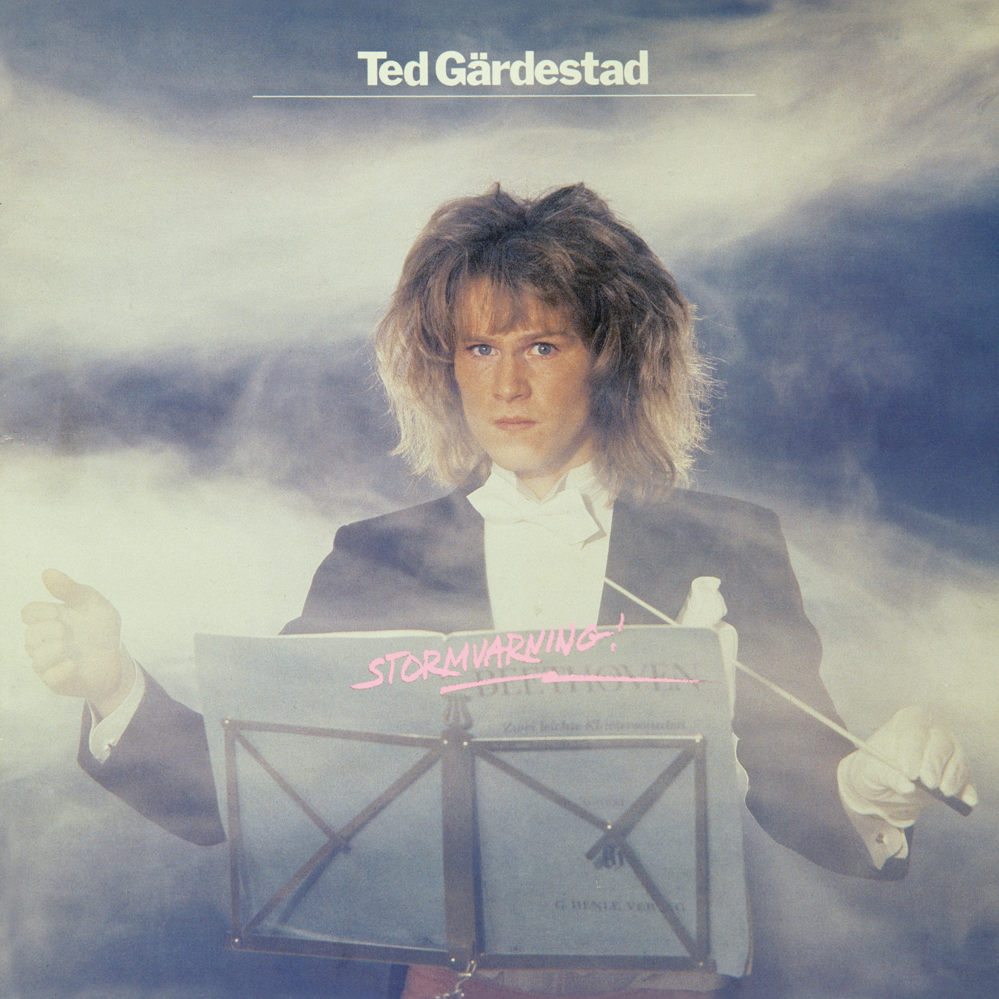
 View Artist