Song Meaning
Taylor Dayne's "My Heart Can't Change" isn't just another power ballad; it's a raw, exposed nerve of romantic desperation. The song meaning hinges on the paradox of unyielding devotion in the face of potential abandonment. Dayne isn't singing from a place of strength, but from the precipice of heartbreak, laying bare the vulnerability that often hides beneath her signature powerhouse vocals. The lyrics detail a desperate plea, a willingness to contort and adapt ('if you need me to go, then I'm going, baby') while simultaneously declaring an immutable core ('my heart can't change'). It's this tension—between the desire to hold on and the agonizing acceptance of potential loss—that gives the song its emotional weight.
The core conflict in "My Heart Can't Change" revolves around the singer's recognition of imbalance within the relationship. There's an acknowledgment of past wrongs ('I promise all the wrong I've done you, baby, I'm gonna make it right'), suggesting a history that has eroded the foundation of the partnership. This isn't a simple declaration of love; it's a bargaining chip, an attempt to rewrite the narrative and prove worthy of a love that feels increasingly out of reach. The repeated chorus, 'My heart can't change,' becomes less a statement of unwavering love and more a desperate mantra, a self-reassurance whispered into the void.
Ultimately, the song's power resides in its unflinching portrayal of vulnerability. Dayne isn't posturing or projecting an image of invincibility. Instead, she's stripping away the artifice, revealing the messy, often self-sacrificing nature of love when faced with the prospect of its demise. The final repetition of the chorus underscores the central theme: a heart's stubborn refusal to adapt, even when logic dictates otherwise. It's a testament to the enduring power of love, even in its most precarious and painful form. It's the sound of someone grappling with the potential end of their world, clinging to the only truth they know: their unchanging love.
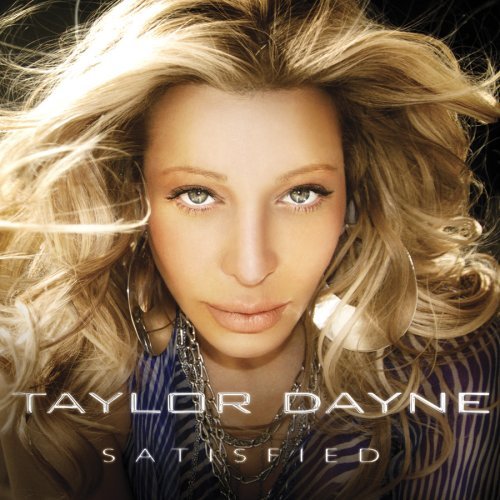
 View Artist