Song Meaning
The lyrics paint a visceral picture of disorientation and suffering, blurring the lines between reality and nightmare. The narrator begins in a state of physical distress, crawling and groaning on wet concrete, with no sense of time. This primal imagery immediately establishes a tone of abject misery and confusion, asking "Where am I and what am I doing?" The world around them is described as a "withered grass" waiting for time to pass, under a sky that "meaninglessly clears," highlighting a profound sense of helplessness and stagnation.
The central tension arises from the narrator's desperate struggle against an overwhelming, unending torment. They are trapped in a "bad dream that doesn't end," a state where conventional wisdom like "there's no rain that doesn't stop" offers no solace. The stark image of asphalt against their back underscores a feeling of being pinned down, with "no salvation." This isn't just a bad mood; it's a profound existential crisis where even the sun's light is perceived as unequal, failing to reach their desolate state.
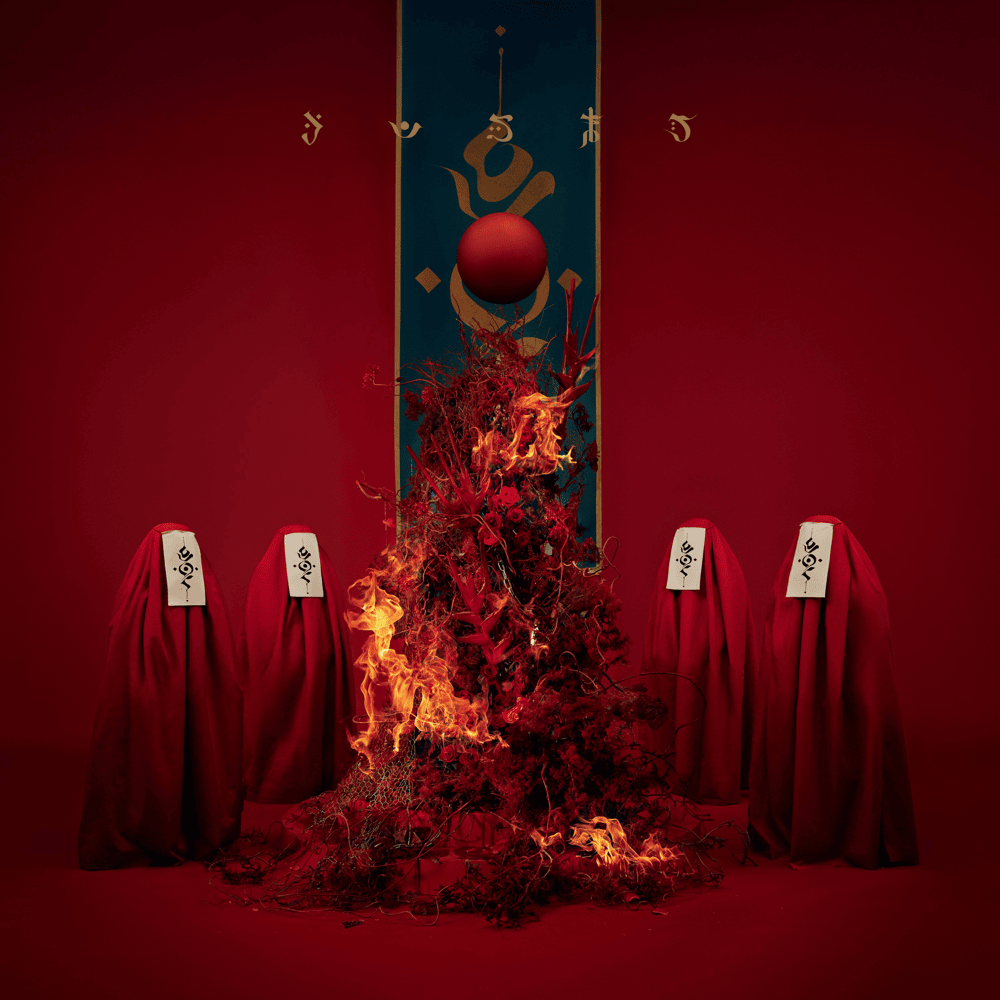
The writing masterfully employs contrasting imagery to amplify the suffering. The narrator is simultaneously burning in fire and freezing in the rain, their lungs gasping while they shiver. This paradoxical torment suggests an internal and external hell that is both consuming and isolating. The repeated questioning of platitudes like "no rain that doesn't stop" and "no night that doesn't end" reveals a deep cynicism born from prolonged agony, a desperate plea for light in a seemingly endless darkness.
Ultimately, these lyrics resonate because they articulate a feeling of being trapped in a meaningless, chaotic tragedy. The narrator is forced to "live a meaningless, chaotic tragedy," a sentiment amplified by the raw, physical descriptions of their plight. The raw, almost guttural language, combined with the stark visual contrasts, creates a powerful sense of inescapable despair, making the final plea for light all the more poignant.
 View Artist