Song Meaning
This song paints a vivid picture of the arrival of the Three Wise Men, framed as a joyous event for a child. The lyrics establish a narrative of a special day when these figures arrive specifically to greet "you." It’s a scene steeped in anticipation and the promise of gifts, directly linking the presents to the child’s good behavior towards their parents. The tone is overwhelmingly cheerful and celebratory, focusing on the happiness and delight the occasion brings.
The central tension, if one can call it that, lies in the pure, unadulterated excitement of receiving gifts. The lyrics highlight the child’s specific desires – a toy train that makes a sound and an ideal doll that calls out "Momma." This focus on tangible, imaginative play underscores the childlike perspective, where the arrival of the kings is intrinsically tied to the material rewards of being good.
The most striking element is the direct naming and characterization of the Wise Men, Melchor, Gaspar, and Baltasar, repeated insistently. The line "Y el otro va a saltar" (And the other one is going to jump) injects a playful, almost spontaneous energy into the otherwise formal procession. This simple action suggests a dynamic, less static portrayal of these legendary figures, making them feel more immediate and engaging for a child.
What makes these lyrics effective is their directness and the way they capture the essence of childhood wonder. The repetition of the names and the simple, declarative statements about gifts and good behavior create a sense of innocent certainty. It’s a straightforward celebration of a magical moment, designed to evoke that specific feeling of pure joy and anticipation associated with receiving presents from beloved figures.
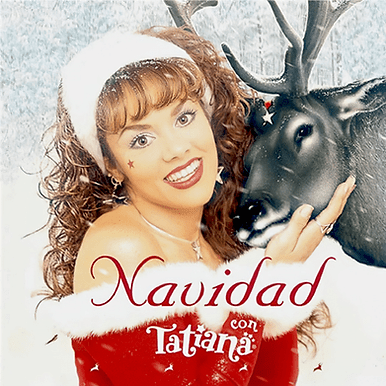
 View Artist