Song Meaning
This track opens with a straightforward narrative: a shopper enters a store during a liquidation sale, finding a stove on promotion. The choice is made for a Dako brand appliance, explicitly because "Dako é bom" – Dako is good. The scene is grounded in a common consumer experience, a moment of practical decision-making driven by price and perceived quality.
The core of the song lies in its unexpected, almost absurd, repetition and the subsequent clarification. The insistent refrain, "Dako é bom, Dako é bom," is immediately undercut by the line, "Calma, minha gente, é só marca do fogão" (Calm down, people, it's just the brand of the stove). This creates a humorous tension, as the repeated phrase, initially sounding like an enthusiastic endorsement or even a catchphrase, is revealed to be a literal, mundane statement about a kitchen appliance.
The brilliance here is in the subversion of expectation. The lyrics build a sense of urgency or importance with the repeated phrase, only to deflate it with a dose of reality. It plays with the listener's mind, making them question why such emphasis is placed on a stove brand. The craft is in this simple, yet effective, juxtaposition of enthusiastic repetition and anticlimactic explanation, turning an ordinary purchase into a quirky commentary on advertising or consumer fixation.
Ultimately, the effectiveness stems from its sheer, unadorned simplicity and the unexpected comedic turn. It taps into the absurdity of how easily we can get caught up in brand names or perceived value, even for the most everyday items. The song lands because it's a playful, almost surreal, moment of self-awareness about consumer culture, delivered with a wink and a nod.
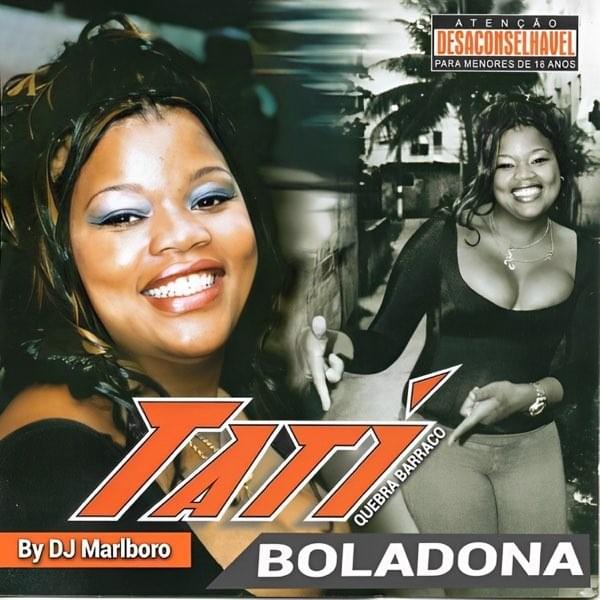
 View Artist