Song Meaning
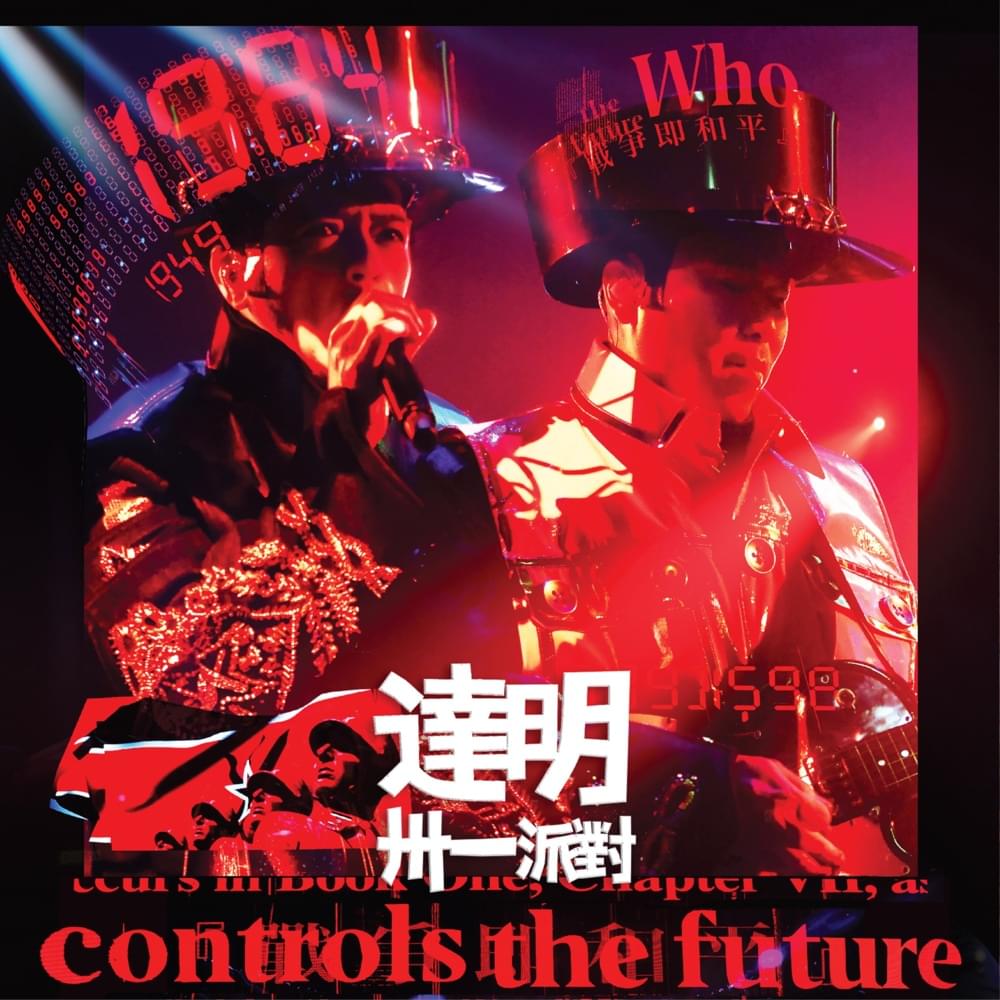
This live performance of "The Good, the Bad and the Ugly 2017" functions as a rapid-fire, almost chaotic roll call of public figures and cultural touchstones relevant to Hong Kong and China around 2017. The lyrics present a dense tapestry of names, from political figures like Xi Jinping and Carrie Lam to celebrities like Eason Chan and Andy Lau, and even internet personalities and social movements like "Umbrella Movement" and "Hehe". This relentless listing creates an immediate sense of overwhelming information and a feeling of being caught in the currents of contemporary events and personalities, blurring lines between the significant and the trivial.
The central tension seems to arise from the juxtaposition of these diverse figures and the implied commentary on their roles and allegiances. The lyrics move from political leaders and activists to entertainment figures and even internet slang like "Hehe" and "鳩嗚" (a protest chant). This eclectic mix suggests a world where power, fame, and public discourse are all intertwined, and where the "good, the bad, and the ugly" are not easily distinguished, as the subtitle "係人定係鬼" (Is it human or ghost?) implies. The rapid succession of names forces the listener to process a vast amount of context, hinting at a complex social and political landscape.
The most striking aspect of the craft here is the sheer density and speed of the lyrical content, functioning like a verbal collage. The lyrics don't offer narrative or deep emotional exploration; instead, they rely on the listener's recognition and association with each name and term. This technique creates a sense of urgency and immediacy, mirroring the fast-paced and often overwhelming nature of public discourse and news cycles. The inclusion of specific, sometimes controversial, figures and events grounds the piece in a particular socio-political moment, making it a snapshot of its time.
Ultimately, the effectiveness of these lyrics lies in their ability to evoke a specific cultural and political atmosphere through sheer recognition. By listing a broad spectrum of figures and events, the song captures a sense of collective consciousness, shared anxieties, and the complex web of relationships that define public life in its context. It’s a performance that trusts the audience to fill in the blanks, making the listener an active participant in deciphering the implied commentary behind each name drop.
 View Artist