Song Meaning
Tasmin Archer's "Steeltown" isn't just a song; it's a eulogy for a place and a way of life. The wind, a recurring motif, acts as both harbinger and potential savior, called upon to "turn her around" while simultaneously threatening to "blow out the flame." This duality encapsulates the central tension: the desperate hope for revival against the grim reality of decay. The song drips with the melancholic understanding that progress, or its illusion, often leaves casualties in its wake. The steel industry, once a symbol of strength and prosperity, has become a "dying name," leaving behind a "dirty town" struggling to reconcile its past with an uncertain future.
Archer's lyrics subtly shift from observation to accusation. The personal lament, "I never thought I'd see the day," quickly morphs into a pointed question: "Tell me who's to blame?" This isn't just about economic hardship; it's about accountability. The "shattered dreams" and the lack of "reason or rhyme" suggest a systemic failure, a betrayal of the promises made to those who built the town. The song avoids easy answers, instead dwelling in the uncomfortable space between right and wrong, forcing the listener to confront the moral implications of industrial decline.
The chorus, with its plea of "Don't bring me down," hints at the psychological toll exacted on the community. It speaks to the collective depression and the struggle to maintain hope in the face of overwhelming adversity. The repetition underscores the desperation, the fear of succumbing to despair. "Steeltown" ultimately transcends its specific setting, becoming a universal anthem for forgotten communities grappling with the consequences of economic shifts and the erosion of their identities. It's a powerful reminder that progress isn't always progress for everyone, and that the human cost of change often goes unacknowledged.
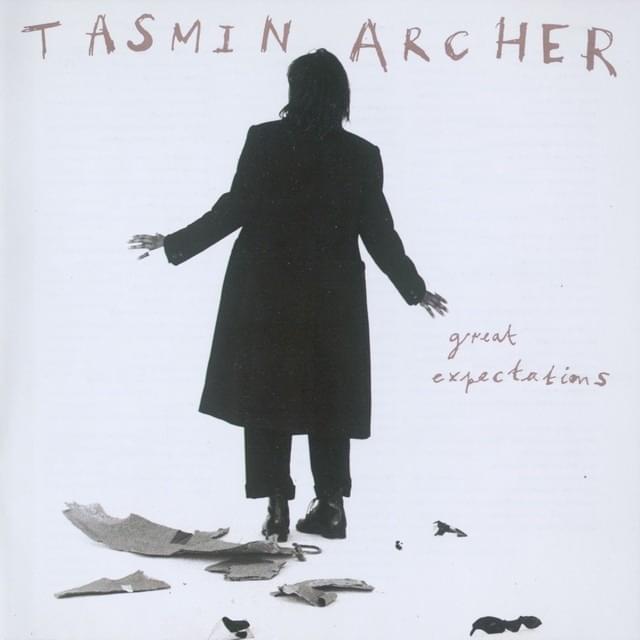
 View Artist