Song Meaning
Tarkan's "Gülümse Kaderine (Devrim Remix)" isn't just a dance track; it's a potent, if succinct, survival guide for the broken-hearted. The song's core message centers on resilience in the face of romantic disappointment, urging listeners to actively choose hope over despair. The opening lines, "Değer mi hiç? Boş yere küsme düşlerine" (Is it worth it? Don't be angry with your dreams for nothing), immediately set the tone: a firm but gentle nudge toward self-preservation. This isn't about wallowing; it's about recognizing the inherent value of one's aspirations and refusing to let heartbreak extinguish them. The repeated mantra, "Gülümse kaderine" (Smile at your fate), serves as both a title and a defiant act of self-empowerment.
The lyrics paint a picture of decisive closure. There's a call to action – "Yak bütün fotoğrafları / Ona ait bütün eşyaları" (Burn all the photos / All the belongings that belong to him/her). This isn't passive healing; it's a conscious effort to purge the remnants of a painful past. The imagery is stark and uncompromising, suggesting a clean break is essential for moving forward. The verses acknowledging fate ("Kader buluşturdu / Kader ayırdı" - Fate brought us together, fate separated us) don't offer fatalistic resignation, but rather provide a framework for understanding that relationships end, often without clear reasons, and that assigning blame is less important than reclaiming one's emotional agency.
Ultimately, "Gülümse Kaderine" offers a comforting promise: "Hayat sevenleri korur / Ateşe atmaz" (Life protects those who love / Doesn't throw them into the fire). This isn't a naive assertion of guaranteed happiness, but a recognition that love, in its various forms (including self-love), is a vital force that can shield us from complete devastation. The song suggests that embracing this protective love, coupled with a proactive approach to healing, is the key to not just surviving heartbreak but emerging stronger on the other side. The Devrim Remix adds an interesting layer, perhaps suggesting that reinvention and an embrace of the present are also vital components of overcoming romantic adversity.
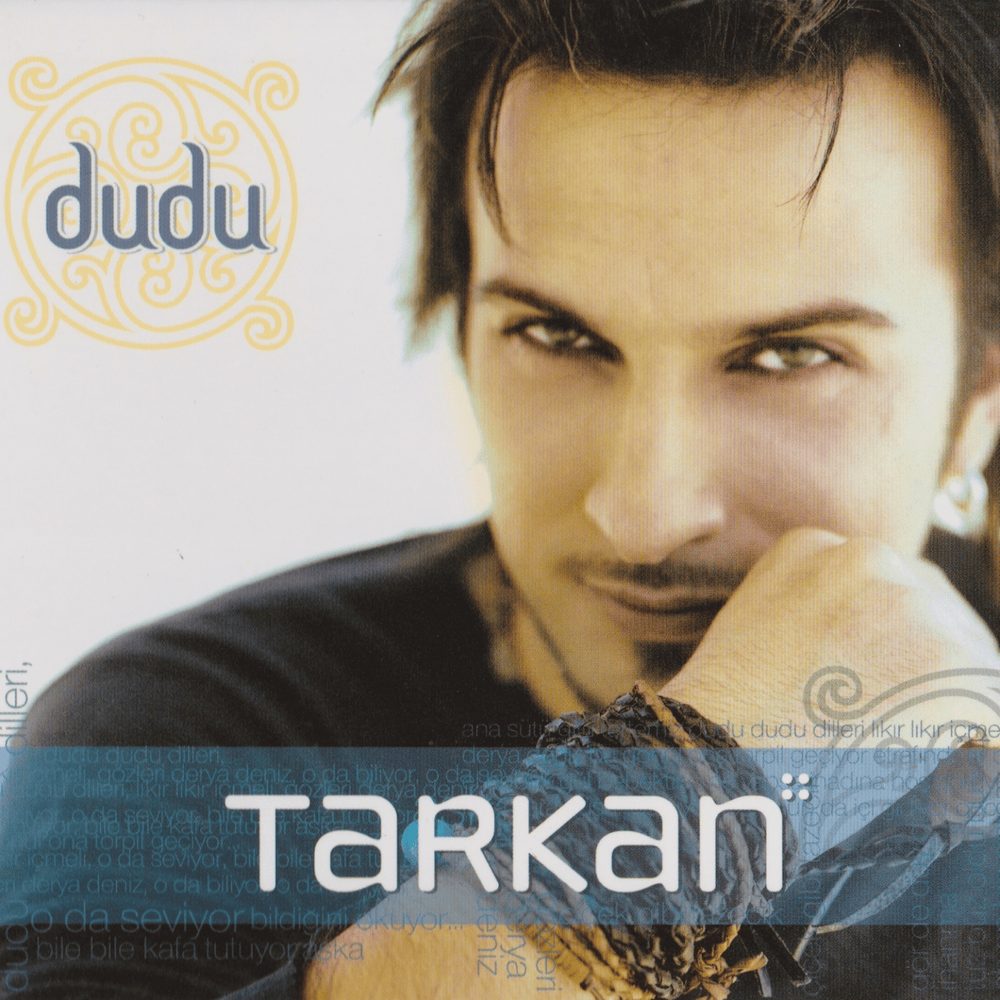
 View Artist