Song Meaning
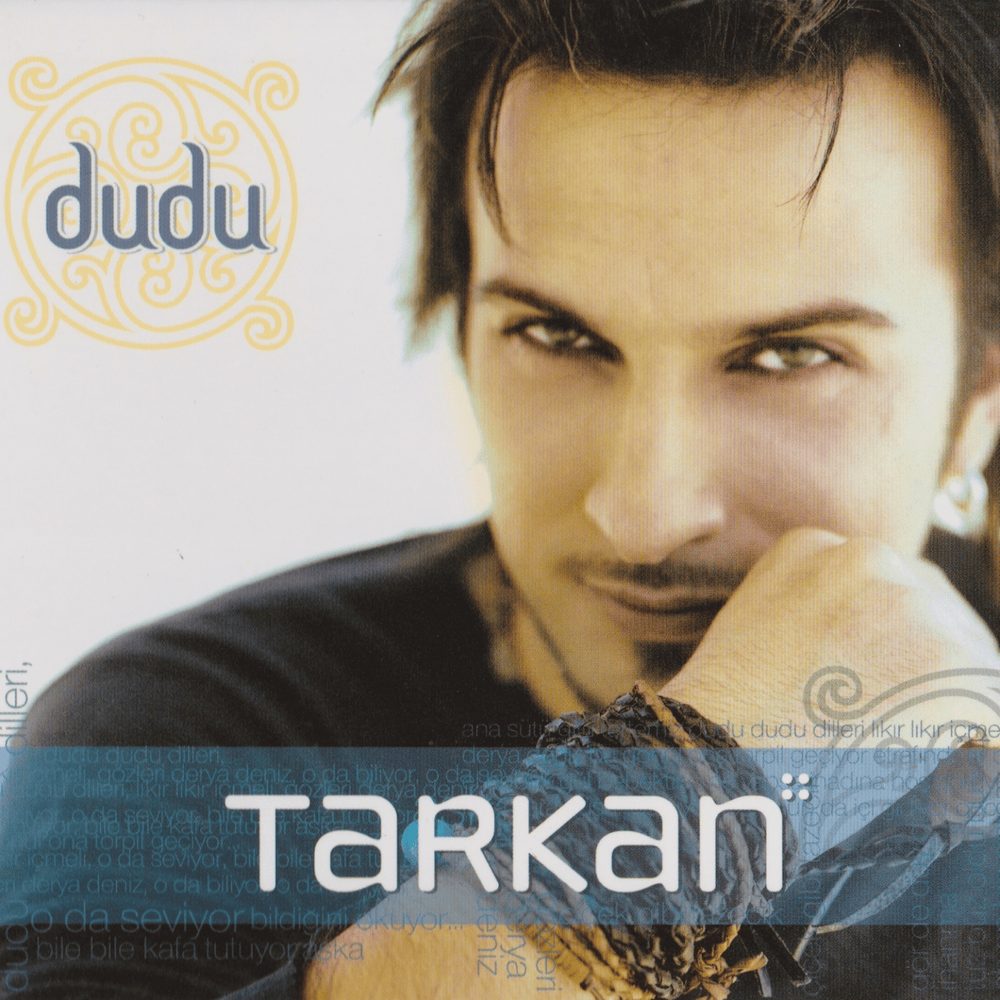
Tarkan's "Dudu (Ozan Çolakoğlu Remix)" is a sonic exploration of love's frustrating contradictions, wrapped in a danceable, undeniably Turkish pop package. The song's infectious rhythm belies a lyrical landscape riddled with emotional push-and-pull. The opening lines establish a melancholic premise: departures are inherently painful, memories linger, and love, paradoxically, shouldn't feel like a burden. This sets the stage for a complex relationship dynamic, where both parties are aware of their feelings, yet stubbornly resist fully surrendering to them. The repeated lines 'Ooo o da biliyor, Ooo o da seviyor' suggest a mutual, albeit unspoken, affection. This creates tension, as their actions contradict their true desires. The phrase 'Bile bile kafa tutuyor aşka gözü kara' highlights their willful defiance of love, driven perhaps by fear of vulnerability or a desire for control. The lyrics present a portrait of a captivating, almost idealized figure ('Çiçek gibi tazecik, Kıymetli bi tanecik, Ana sütü gibi tertemiz') who is both cherished and infuriating.
The song delves deeper into the narrator's internal conflict. He acknowledges his infatuation ('Bu gönül ona torpil geçiyor, Etrafında fır dönüyor'), even excusing her flaws ('Ne yapsa inadına hoş görüyor'). Yet, her actions cause him considerable anxiety ('Kara kara düşündürüyor'). The line 'Sen güldüğüme bakma, Gör de duy da inanma' is a poignant admission of hidden pain, revealing a heart shattered into 'on bin parça.' This juxtaposition of outward appearance and inner turmoil speaks to the masks we wear to navigate complex relationships. The line 'Tuz buz oldu bu kalp ah on bin parça' is not just a statement of heartbreak but also cultural commentary on the value that Turkish culture places on love and relationships.
"Dudu" doesn't wallow in despair. The final verse offers a glimmer of hope and resilience. The narrator confesses to internalizing his pain ('Ata ata dertleri hep içime attım'), expressing a desire for a more fulfilling life ('İnsan gibi yaşamak benim de hakkım'). The admission that his 'zemberek' (spring) is broken signifies a breaking point, a recognition that his capacity for enduring pain has reached its limit. However, the concluding lines offer a message of hope: 'Birbirimize tutunursak, Belki güneş doğabilir.' This suggests that despite the challenges and heartache, connection and mutual support can pave the way for healing and a brighter future. The "Dudu" song meaning, therefore, resides in its honest portrayal of love's messy reality, acknowledging both its potential for joy and its capacity to inflict pain. It's a reminder that even in the face of heartbreak, hope and connection remain within reach.
 View Artist