Song Meaning
The narrator presents a stark duality, holding both a "light in my head" and a "hearse in my bag." This internal conflict suggests a mind that's both illuminated and shadowed, capable of profound insight yet burdened by a sense of impending doom. The repetition of "Nobody sees it but you" and "Nobody drives it but you" immediately establishes a unique, almost codependent relationship where this other person is the sole witness and perhaps even the catalyst for both the narrator's brilliance and their darkness. It’s a private world, intensely shared.
The lyrics grapple with a profound sense of disbelief from the outside world. The narrator admits, "Nobody believes anything I say," and doesn't blame them, acknowledging the way they are perceived. This external skepticism creates a tension with the internal reality, particularly when the narrator asserts, "Nobody puts it out like you." This suggests the other person has a unique power over the narrator's inner "light," capable of both nurturing it and extinguishing it, mirroring the hearse imagery.
The repeated, urgent question, "Got a light?" functions as a desperate plea, a search for validation or perhaps a spark of understanding in the face of societal dismissal. It’s juxtaposed with the chilling line, "Turn around and you're dead," implying that this search for connection or illumination is fraught with peril. The lyrics also touch on broader societal anxieties with phrases like "national distraction, inflation, elation," painting a picture of a chaotic world where individual struggles are amplified and perhaps distorted into "science fiction."
Ultimately, the effectiveness of these lyrics lies in their raw, almost confessional tone and the striking, unsettling imagery. The narrator’s admission of being "blown out of proportion" and their embrace of "science fiction" as a "natural condition" suggests a profound disconnect between their inner experience and external reality. The persistent, almost frantic questioning of "Got a light?" leaves the listener with a lingering sense of unease and a deep curiosity about the nature of this shared, precarious existence.
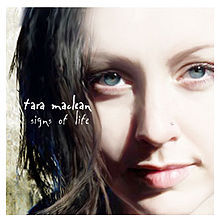
 View Artist