Song Meaning
The lyrics paint a picture of a past self, perhaps a childhood, associated with a "gray house" under a "yellow sky." This space was where the narrator hid "butterfly wings," a potent image of fragile beauty and transformation. The "aviary, fallen feathers" suggests a place where something once vibrant has decayed or been lost, hinting at a loss of innocence or potential. The sudden appearance of a "cloud" and an "uncertain bird" introduces a sense of disquiet and unpredictability into this scene.
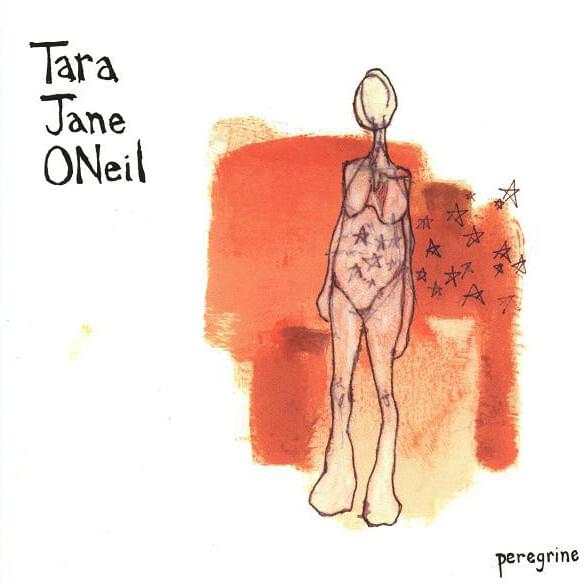
The core tension seems to revolve around the burden of past experiences and the struggle to move forward. The narrator questions "what you do with what you've found," referencing "stars around, your secret sound, the scars on your side." These elements, particularly the repeated "scars on your side," suggest a history of pain or trauma that is deeply ingrained. The "tear you kept in a sewing box" is a striking image of preserved sorrow, while "all the knives keep your back straight" implies a harsh, perhaps self-imposed, discipline or resilience forged through hardship.
The imagery of the "house under big feet now, no shade" powerfully conveys a sense of vulnerability and exposure, where the protective structures of the past have been overwhelmed. The narrator describes a cyclical, debilitating motion: "Step forward withering, distracting knives and back again." This phrase captures a feeling of being caught in a loop of self-harm or destructive coping mechanisms, where progress is constantly undermined by internal or external threats. The act of watching oneself "turn to catch myself worn" suggests a profound dissociation and exhaustion from this internal battle.
Ultimately, the lyrics articulate a complex relationship with past pain, even to the point of consuming it. The final lines, "Help them take the ashes / I can eat them when i need them," are deeply unsettling. They suggest a desperate, almost ritualistic, incorporation of past suffering, as if the narrator has become dependent on the very things that have wounded them for a perverse form of sustenance or strength. This bleak acceptance of internalized damage is what makes the song's emotional landscape so potent and unforgettable.
 View Artist