Song Meaning
The narrator is locked in a desperate internal struggle, seeking solace but instead preparing for self-inflicted pain. The plea "Pretty please" bookends the opening lines, highlighting a childlike vulnerability juxtaposed with the chilling act of "practicing the damage on my cheek." This isn't about external conflict; it's a deeply personal, almost ritualistic preparation for something that brings a twisted sense of peace.
The core tension lies in the narrator's fierce refusal to be understood or pitied by an unnamed "you." They declare "I'm not about to crumble" and "I'm not about to cave," rejecting any performance for sympathy. The repeated assertion "You don't bleed like I do" and "You don't know the darkness like I do" underscores a profound isolation, a conviction that their suffering is uniquely theirs and incomprehensible to others.
What's striking is the deliberate self-harm as a means of control and expression. The narrator isn't just enduring pain; they are actively "readying, practicing the damage." This suggests a profound disconnect between internal experience and external perception, where physical pain becomes the only language they feel can communicate the depth of their "awful place." The capitalized "Hear Me" at the end of the second verse feels like a final, desperate cry against the silence of their isolation.
This lyrical landscape is effective because it grounds abstract emotional turmoil in stark, visceral imagery. The contrast between the soft "pretty please" and the harsh "damage on my cheek" creates an immediate unease. The relentless repetition of "I'm not about to" builds a wall of defiance, even as the underlying plea for peace and understanding is palpable, making the narrator's internal battle feel both intensely private and tragically resonant.
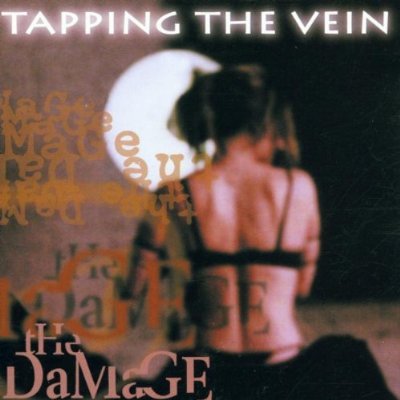
 View Artist