Song Meaning
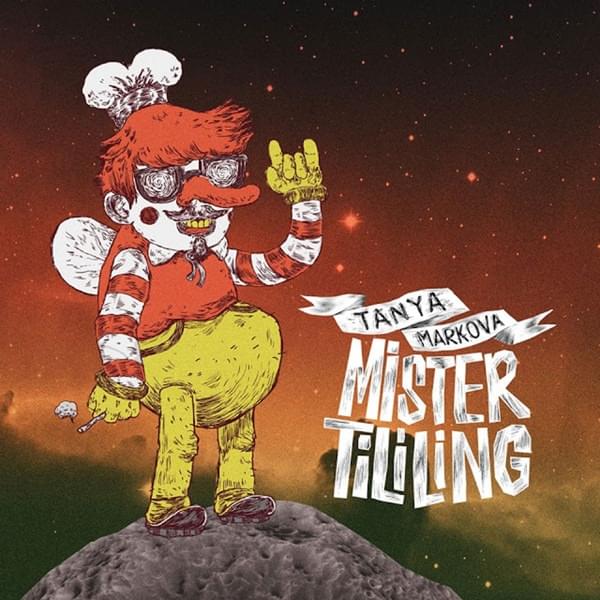
The lyrics present a stark, almost unsettling, sense of isolation. The repeated phrase "Mag-isa ang sarili" translates to "Alone is the self," hammering home a feeling of profound solitude. This isn't just being by oneself; it's an existential aloneness, a state of being fundamentally separate. The spoken interjections, "Mr. Tililing, sama ako!" (Mr. Tililing, come with me!) and the abrupt, dismissive "Ulol" (Crazy/Idiot), introduce a desperate plea for connection met with derision or perhaps madness itself. It creates a jarring contrast between the internal state of loneliness and the external world's response.
The central tension arises from this yearning for companionship against a backdrop of what seems like rejection or incomprehension. The narrator is reaching out, seeking company from "Mr. Tililing," but the response is either silence, madness, or a harsh dismissal. This dynamic suggests a deep-seated need for acknowledgment that is consistently unmet, amplifying the initial feeling of being "alone is the self." The repetition of "Mr. Tililing!" at the end could signify a desperate, perhaps futile, attempt to break through the isolation, or a descent into the very madness implied by the name.
The effectiveness of these lyrics lies in their extreme economy and raw emotional exposure. There's no elaborate narrative, just a primal expression of loneliness and a failed attempt at connection. The repetition of the core phrase creates a hypnotic, almost suffocating atmosphere of solitude. The abrupt, almost nonsensical interjections break this spell momentarily, only to plunge the listener back into the narrator's isolated reality, highlighting the painful gap between desire and reception. The starkness forces the listener to confront the raw feeling without distraction.
 View Artist