Song Meaning
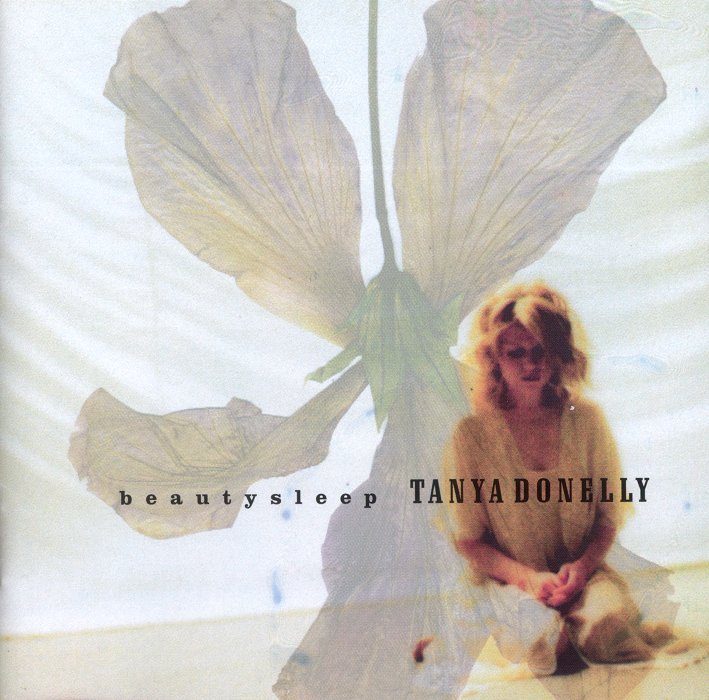
Tanya Donelly's "The Wave" isn't just a song; it's a masterclass in emotional withholding, wrapped in her signature dream-pop gauze. The song meaning resides in the fraught dynamic between two people, one seemingly more vulnerable than the other. The opening lines, "My face has never been one to betray me," are a chilling admission of practiced manipulation. It's a mask, deployed strategically to navigate the complexities of a relationship where genuine intimacy feels terrifying. The narrator's carefully constructed facade is her primary defense mechanism. She admits to using a "white blinding light" to disorient and control the other person.
The lyrics analysis reveals a power imbalance. The narrator confesses to taking just enough from the other person "for a lifetime of holding out on you." This isn't about love; it's about a parasitic dependency, fueled by fear of genuine connection. The repetition of “holding out on you” emphasizes the deliberate nature of this emotional distance. The "kitchen floor" encounter, a space usually associated with domestic comfort, becomes a site of desperate, if ultimately futile, searching for something "restoring." She's looking for something to fill the void within herself, but she's unwilling to truly reciprocate or commit.
The chorus, with its repeated phrase "Harnessing the wave," offers a glimmer of hope, or perhaps a warning. The wave itself could represent the overwhelming force of genuine emotion, something the narrator both desires and fears. To harness it implies gaining control, but also potentially stifling its raw power. The image of the "river rise to meet you" suggests an impending reckoning, a moment where the carefully constructed defenses crumble. And then there's the line, "I see my angel kneel to kiss you," which is the most devastating of all. It suggests a profound sense of unworthiness, a belief that the other person deserves someone better, someone capable of true love and vulnerability. The fact that 'you started' this wave suggests the narrator's partner is pushing for something real, leaving the narrator exposed and vulnerable, and she doesn't like it.
 View Artist