Song Meaning
The lyrics paint a stark picture of a love so profound it renders the narrator unable to function or even perceive others when their beloved is absent. The opening lines, "Nek zatvore ulicu moju i tvoju" (Let them close my street and yours), and "Nek sa neba skinu u sumrak našu boju" (Let them take our color from the sky at dusk), suggest a desire to isolate their shared world, to make it impenetrable and unique. This intense focus on the 'us' is amplified by the declaration, "Kad nas nema, kô da drugi ne postoje" (When we're not there, it's as if others don't exist), highlighting a complete erasure of the outside world in their absence.
The central tension lies in the narrator's inability to move on, explicitly stated in the repeated refrain: "Slagala bih kad bih rekla da sam ti našla zamenu" (I would lie if I said I found your replacement). This isn't just about missing someone; it's about a fundamental incompleteness. The metaphor "kô zlato sam u kamenu" (I am like gold in stone) when their partner is gone is particularly striking. It suggests a hidden, valuable essence that is trapped, inert, and inaccessible without the other person to reveal or unlock it. This state is further described as being "Zarobljena u svom sjaju i od tebe oteta" (Imprisoned in my own shine and taken from you), implying a self-contained brilliance that is useless and feels like a theft when separated from the beloved.
The most potent craft element is the stark, almost absolute framing of their connection. The lyrics don't just describe longing; they describe a state of non-existence for the narrator and the world when the pair is not together. The repetition of the refrain hammers home the impossibility of finding a substitute, solidifying the idea that this connection is singular and irreplaceable. The final line, "Ko me nađe jednog dana, biću mu samo prokleta" (Whoever finds me one day, I will only be cursed to them), is a chilling declaration of this perpetual state of being 'taken' and cursed, suggesting that even if found by another, the narrator will remain defined by this profound absence and the inability to be anything other than 'cursed' without their original love.
This lyrical construction is effective because it moves beyond simple heartbreak into a territory of existential dependency. The narrator isn't just sad; they are fundamentally incomplete, their very being seemingly contingent on the presence of the other. The imagery of being gold trapped in stone, or a color stolen from the sky, creates a powerful, almost mythological sense of loss. It makes the listener feel the weight of this singular, all-consuming connection and the desolation that follows its disruption, portraying a love that defines existence itself.
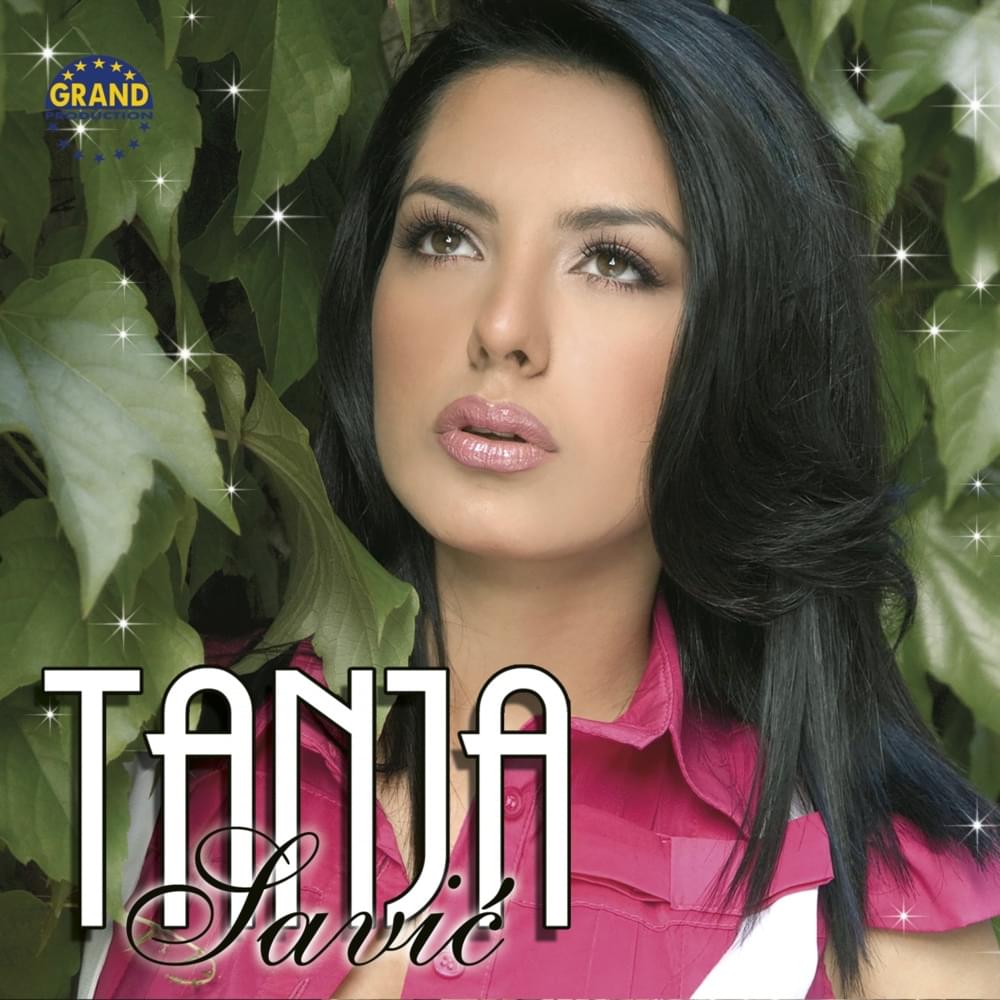
 View Artist