Song Meaning
The lyrics paint a stark picture of time passing and a loss of self, where what once felt personal now belongs to others. This sense of displacement and fading identity is palpable, creating an immediate emotional weight. The narrator observes a world where possessions and even one's own sense of belonging are transient, leading to a feeling of being "nobody."
The central tension arises from the futility of passive hope. "Rezar somente não, não vai adiantar" (Praying alone won't help) signals a shift from resignation to a call for action. The phrase "Ardeu, sozinho é pouco" (It burned, alone is too little) suggests a past pain or struggle that was insufficient on its own, implying a need for collective effort or a more decisive move.
The most striking element is the insistent repetition of the command to "decidir" (decide) and "começar a dividir" (start dividing). This isn't just about physical separation; it's about a forceful re-establishment of boundaries and identity. The repeated lines "Pra tirar de cá quem é de lá, quem deve ir" (To take from here who is from there, who must go) create a sense of urgency and a determined, almost harsh, resolution to sort out who belongs where.
This lyrical strategy is effective because it mirrors the feeling of being overwhelmed and then the desperate need for clarity. The stark, declarative statements and the relentless rhythm of the repeated phrases build a powerful momentum. It’s this directness, this refusal to linger in ambiguity, that makes the call to action resonate so strongly, suggesting a breaking point has been reached and a definitive choice must be made.
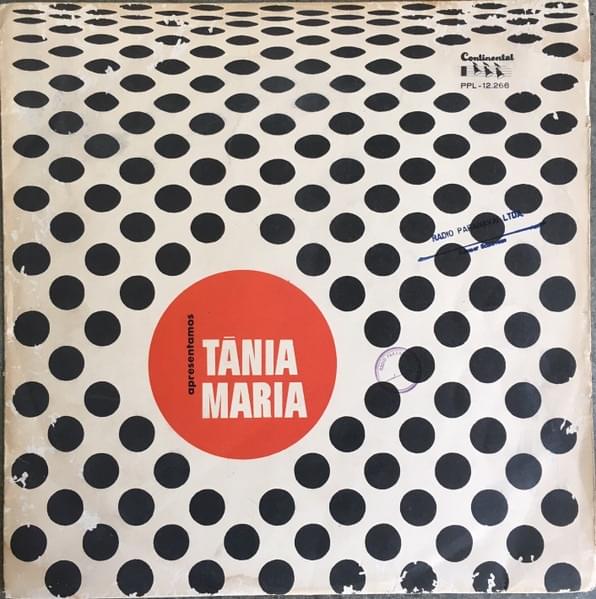
 View Artist