Song Meaning
The lyrics paint a picture of a life brimming with potential and choices. The opening verses lay out a vast landscape of experiences waiting to unfold, from untold stories and discoveries to myriad paths and decisions. It's a feeling of being on the cusp of something significant, with a sense of wonder about the sheer volume of what life might hold. The repetition of "Tanta" (So much) and "Tantos" (So many) emphasizes this overwhelming abundance of possibility.
The core tension arises from the contrast between external destiny and internal agency. The narrator questions how many lives, dreams, and fragments of love must be pieced together to create a singular whole. This suggests a struggle to synthesize disparate experiences and desires into a cohesive sense of self or a shared reality. The idea of "unir para fazer só um" (unite to make just one) highlights the effort required to find unity amidst multiplicity.
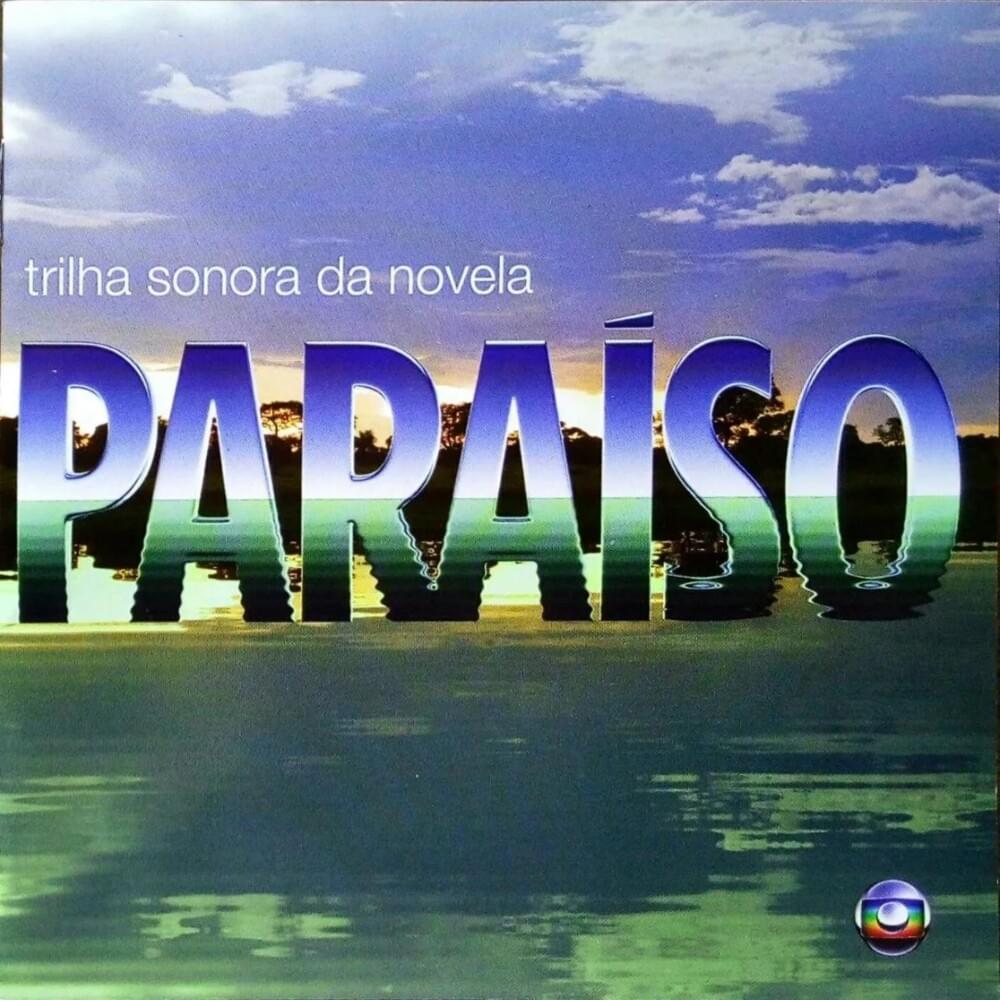
The chorus delivers the central thesis: "O Paraíso é mais / Do que o destino traz" (Paradise is more / Than destiny brings). This is a powerful reframing, asserting that true fulfillment, or paradise, isn't passively received but actively created. It transcends simple binaries like "sim e o não" (yes and no), suggesting a more nuanced, self-determined state of being. The repeated declaration, "Está em nossas mãos" (It is in our hands), is the ultimate call to action, placing the power of creation squarely with the individual or the collective.
This lyrical construction is effective because it moves from a feeling of vast, almost daunting, potential to a clear, empowering message of self-creation. The structure, with its initial expansive questions and concluding declarative statements, mirrors the process of realizing one's own power. It resonates by suggesting that the 'paradise' we seek is not a distant reward but a present possibility, built through our choices and our efforts to connect and unify our experiences.
 View Artist