Song Meaning
The lyrics immediately paint a picture of someone diligently masking their inner turmoil, prioritizing others' perceptions over their own healing. They "從未提及曾受過傷," instead presenting a "一臉堅忍人前故作平常." This pretense, the lyrics suggest, is a misguided attempt at nobility, "至能顯得高尚."
The core tension lies between this outward facade of strength and the internal reality of unaddressed pain. The narrator observes that "你的創疤仍舊擴張," highlighting how avoidance only deepens the wound. This creates a conflict: the desire to appear strong versus the body's and mind's need to process hurt, as "遮蓋傷勢如何對症施藥." The lyrics question the effectiveness of hiding one's true state.
The lyrics powerfully use direct, empathetic permission. Phrases like "如若崩潰 肆然崩潰" aren't just suggestions; they're an urgent invitation to release pent-up emotion. This is reinforced by the repeated, almost mantra-like affirmation: "軟弱沒有錯 痛亦沒有錯." It reframes vulnerability as a necessary "投降" to receive "援助," suggesting that true help only comes when one stops fighting their own pain.
What makes these lyrics resonate is their radical honesty about the path to true resilience. They challenge the conventional idea of strength, asserting that "強大因你 不怕赤裸裸." By urging the listener to "允許你 真心痛過," the lyrics suggest that confronting and feeling pain, rather than suppressing it, is the only way to genuinely heal and find a new "方向." This approach ultimately prevents the mind from reaching a breaking point, a "心智快崩斷 別來拔河."
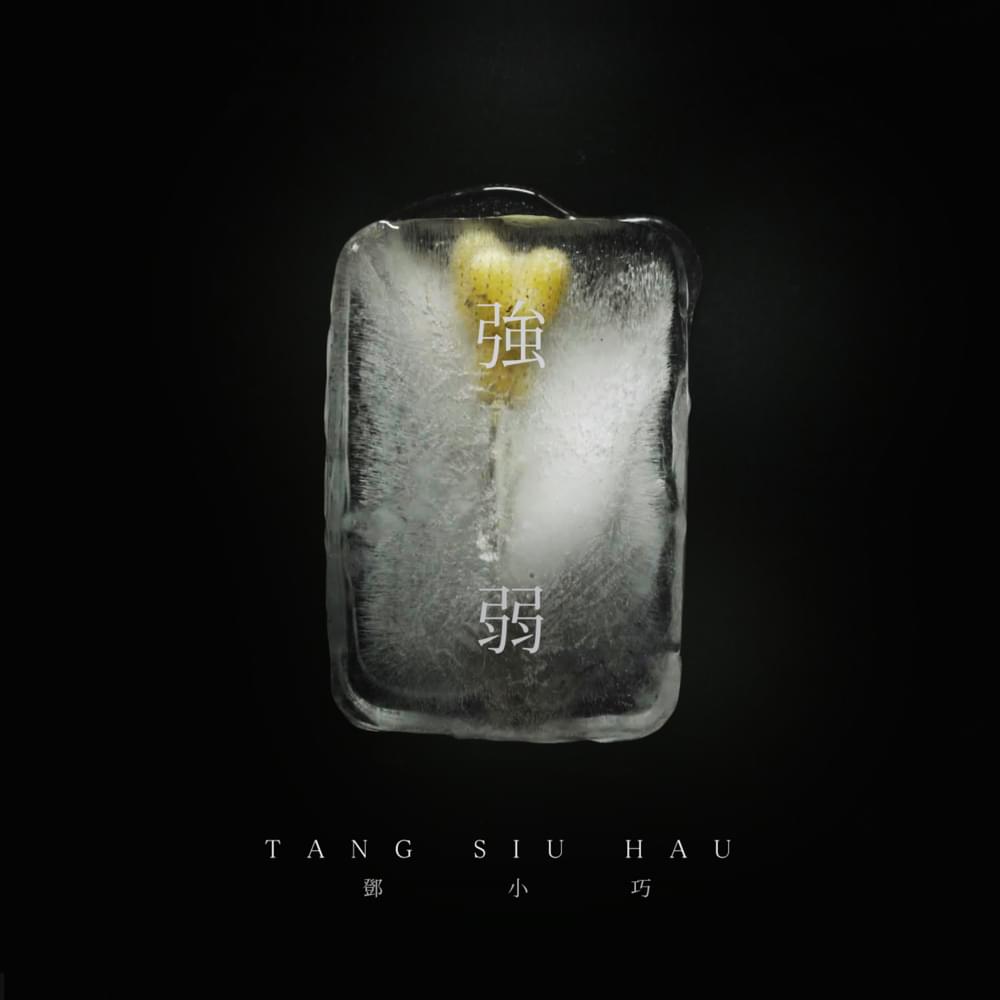
 View Artist