Song Meaning
This song opens with a direct address, a gentle inquiry to a past self, asking, "How are you?" It immediately confronts the pain of past wounds, questioning why we hold onto "tender scars" and why silence prevails when forgiveness is possible. The narrator acknowledges that anger and strong emotions are not inherently terrifying, suggesting a desire to reframe past struggles. The lyrics establish a tone of compassionate self-reflection, urging acceptance of difficult feelings.
The core tension lies in the contrast between the fear of vulnerability and the potential for growth. The lyrics state, "heartbreak might be scary, loneliness is always uglified," highlighting societal pressures to suppress pain. However, there's a powerful counter-narrative: "Don't stop pain from sprouting; just patiently plant it, and one day it will transform." This suggests that acknowledging and tending to suffering, rather than avoiding it, is the path to eventual beauty and healing, like a "gorgeous blooming flower."
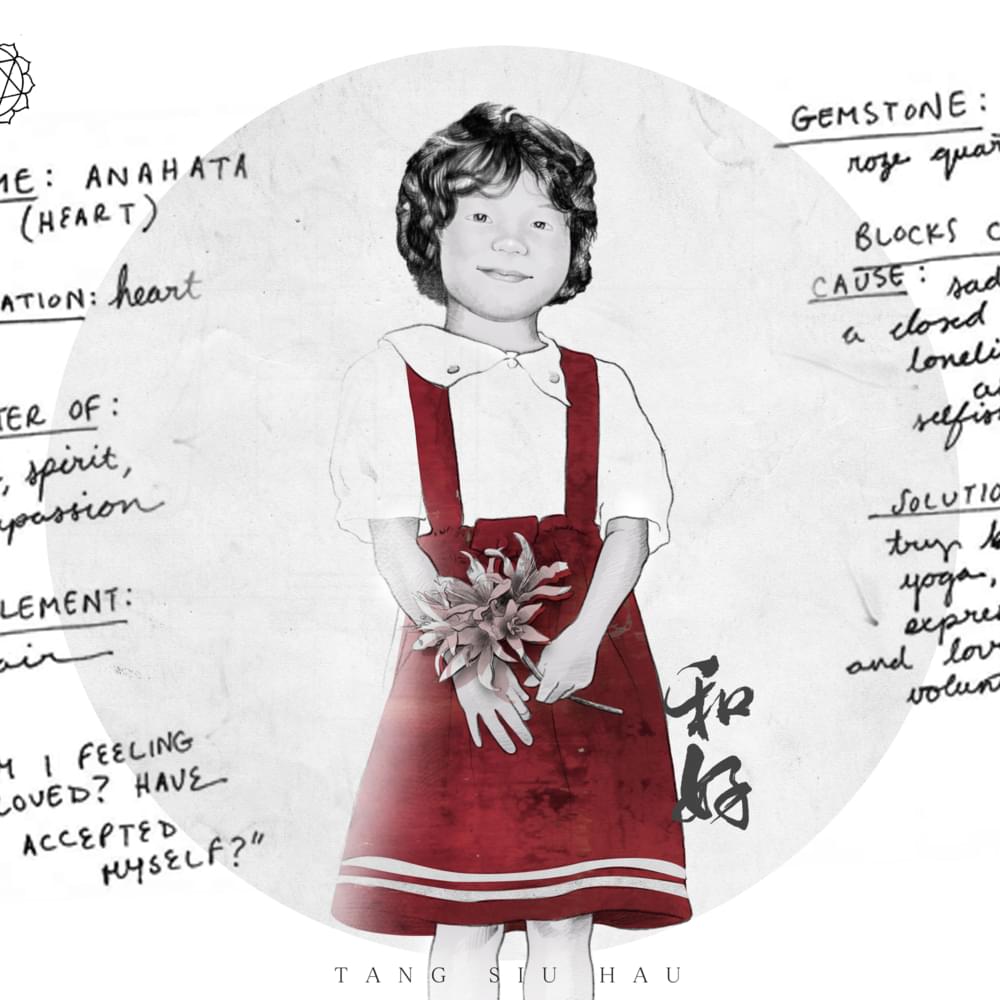
The most striking craft element is the extended metaphor of planting and growth applied to emotional healing. The narrator sends a "letter" to encourage belief in a "beautiful absurd cycle" of life, urging the listener to "loosen up a bit if your steps are too hasty." This advice to "breathe and open your heart wheel" is a direct instruction for self-care and receptiveness, promising that the "unbelievable can be met."
What makes these lyrics resonate is their gentle but firm guidance toward self-compassion. By framing difficult experiences as a form of "work" that makes the "soul learn," the song validates struggle as a necessary part of evolution. The repeated promise of transformation and the final hopeful "reconciliation" offer a profound sense of peace, suggesting that embracing our past, even the painful parts, is the key to inner harmony.
 View Artist