Song Meaning
The skit opens with a stark image: darkness, a vast, timeless theater, and a narrator who feels lost within it. They've left a note, a desperate attempt to recall the rules of a game they can no longer comprehend. This immediately establishes a tone of profound disorientation and a struggle with memory, hinting at a past self that understood something now lost. The narrator questions their own identity, asking "Am I the spirit of the theater?" – a rhetorical query that underscores their detachment from their own existence.
The central tension arises from a fractured memory and a sense of overwhelming loss. The narrator possesses "a whole cosmos" of memories, but they are now "melted," their origin a complete blank. This internal collapse is juxtaposed with the external, grand setting of the theater, suggesting a disconnect between a rich inner world and a present state of confusion. The presence of "strange notes" in a dusty corner offers a faint glimmer of hope, a potential key to unlocking the past, but the immediate impulse is to escape the overwhelming present.
What's particularly striking is the narrator's attempt to impose order on chaos through the act of leaving a note, a tangible anchor in a sea of mental fog. The phrase "rules of the game" suggests a structured reality that has dissolved, leaving them adrift. The abrupt shift from existential questioning to a practical, albeit panicked, desire to "get out of here" highlights the immediate, visceral reaction to profound internal breakdown. This pragmatic urgency, "where's the exit?", grounds the abstract disorientation in a relatable, human impulse for escape.
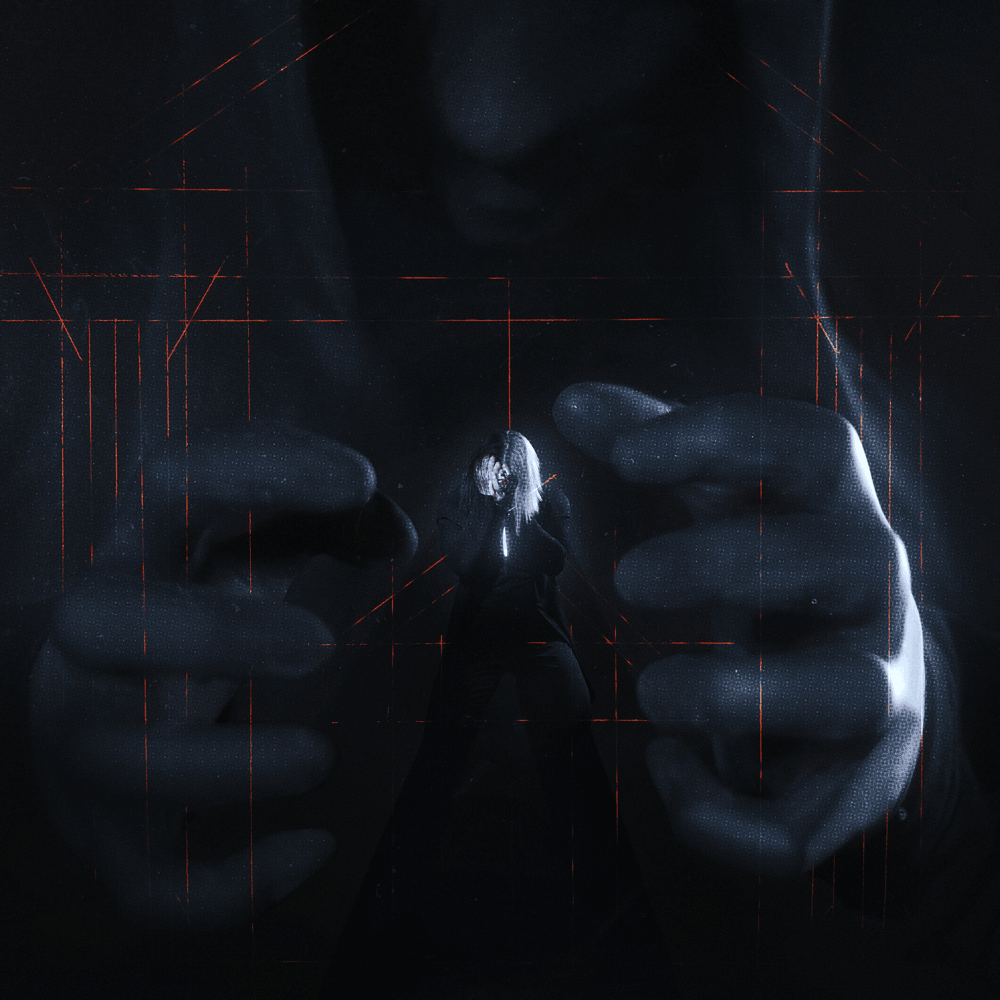
This skit's effectiveness lies in its raw portrayal of cognitive dissonance and the desperate search for self. The vast, empty theater serves as a powerful metaphor for a mind overwhelmed, where past experiences are inaccessible and the present is a bewildering maze. The narrator’s fragmented thoughts and immediate desire to flee capture the unsettling feeling of being disconnected from one's own history and identity, making the internal struggle palpable.
 View Artist