Song Meaning
The lyrics paint a stark picture of a child grappling with a chaotic home life, where a revolving door of "daddies" offers material gifts but no genuine presence. The opening lines immediately establish a scene of distress: a "troubled and lonely" child, with "eyes all red" from crying, confiding a profound sense of abandonment. This isn't just a bad day; it's a recurring pattern of being "sent away" by figures who offer superficial attention.
The central tension lies in the child's desperate attempt to reconcile the transactional nature of these relationships with her innate need for parental connection. She receives "dollies and dollars and dimes," but these are hollow substitutes for the "time" she craves for simple play. The heartbreaking refrain, "None have any time," underscores the emotional neglect at the core of her experience, highlighting the vast gulf between what she receives and what she truly needs.
The most striking aspect of the writing is the child's innocent, yet devastating, framing of her situation. She states, "I've got too many daddies, a new one each night," a seemingly matter-of-fact observation that carries immense weight. The contrast between the abundance of "daddies" and the absolute scarcity of their attention is a powerful indictment of her environment. The repeated phrase, "None have any time," acts as a desperate plea, emphasizing the consistent failure of these figures to meet her fundamental needs.
This lyrical construction is effective because it filters adult failings through a child's perspective, making the emotional impact all the more potent. The simple language and direct statements, like "Still they just send me away," bypass complex analysis and hit straight at the raw pain of neglect. The lyrics don't explicitly condemn the adults, but the child's quiet sorrow and unmet needs speak volumes, leaving the listener with a profound sense of unease and empathy for her situation.
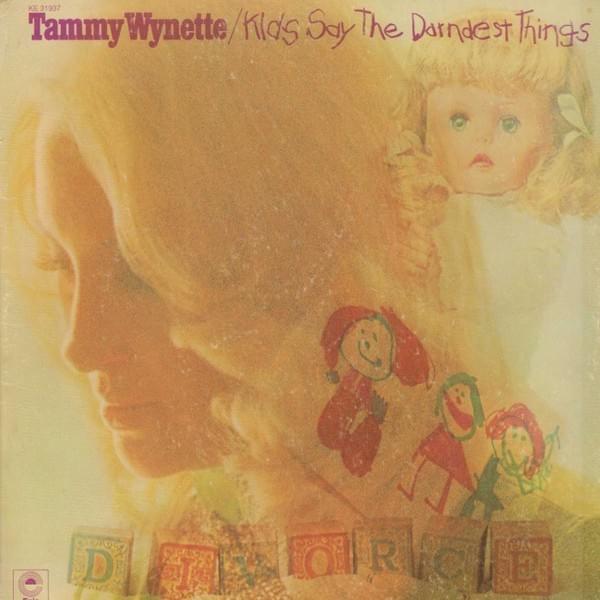
 View Artist