Song Meaning
The lyrics paint a stark picture of immediate heartbreak, where time itself seems to stretch and warp under the weight of loss. The opening lines immediately establish a relentless, cyclical despair: "Seven lonely days make one lonely week / seven lonely nights make one lonely me." This isn't just sadness; it's a quantifiable, almost mathematical breakdown of existence into units of loneliness, directly tied to the moment the relationship ended. The narrator's world has shrunk to this singular, overwhelming feeling.
The central tension is the narrator's inability to move past the breakup, despite a fleeting, almost ironic claim of having stopped crying. The line "Last week was the last time I've cried for you" feels like a desperate attempt at self-convincing, immediately undercut by the repeated refrain of crying and the image of "seven hankies blue I filled with my tears." This creates a palpable sense of denial battling against raw, persistent grief.
The most striking craft element is the obsessive numerical repetition, particularly the number seven, which amplifies the feeling of being trapped. It's not just a week; it's seven days, seven nights, seven hankies, seven letters. This structure underscores how the narrator's entire reality has become defined by this specific period of sorrow, making the pain feel inescapable and meticulously cataloged. The question, "What's your favorite past time just a making me blue?" adds a layer of bitter, accusatory questioning directed at the absent partner, framing their departure as a deliberate act of cruelty.
Ultimately, the effectiveness of these lyrics lies in their raw, unvarnished portrayal of a specific, overwhelming emotional state. The simple, direct language and the relentless focus on the quantifiable aspects of sorrow – the days, the nights, the hankies – make the narrator's pain feel intensely present and deeply felt. It captures that initial, suffocating phase of heartbreak where every moment feels like an eternity of sadness.
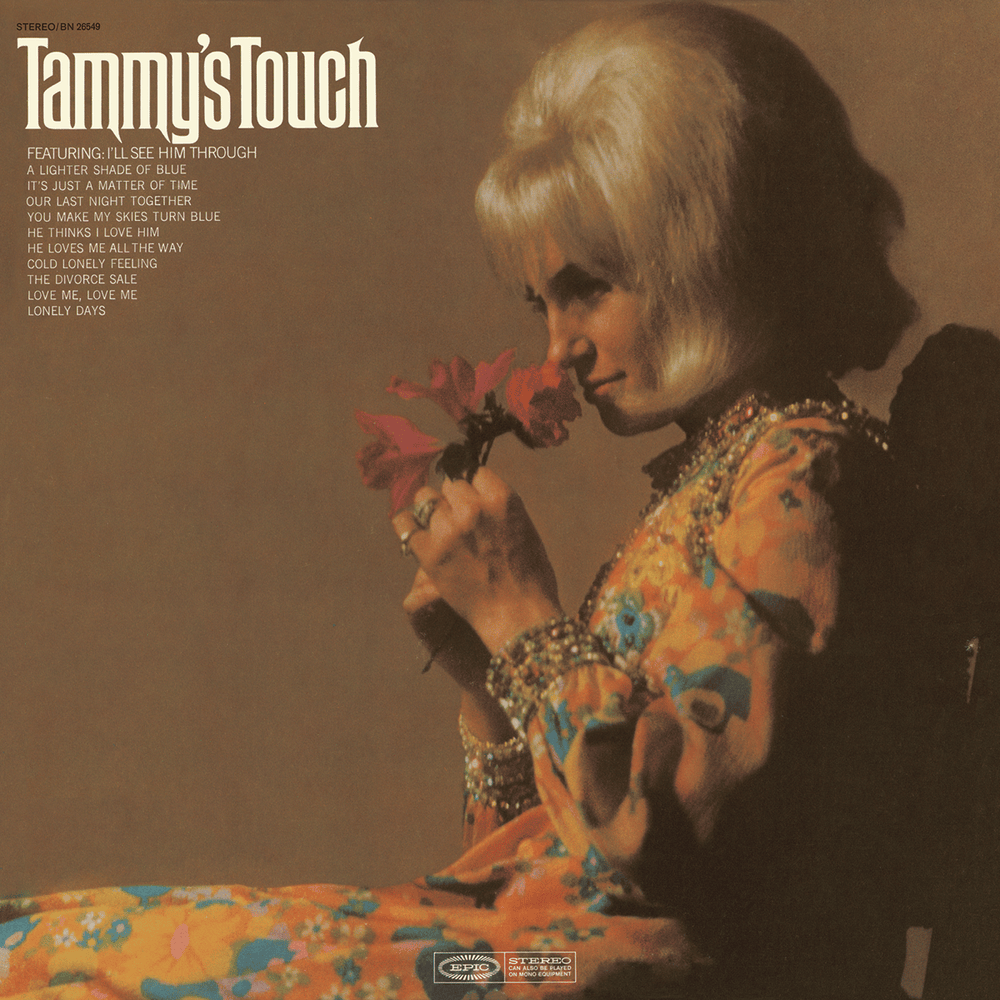
 View Artist