Song Meaning
The narrator acknowledges a deep, declared love, but immediately establishes a boundary: "I know how you love me." This isn't a rejection of affection, but a firm statement of unavailability. The repeated assurances of eternal love from the other person are met with the stark reality that the narrator's own self is not theirs to offer, creating an immediate tension between desire and constraint. The core conflict is the impossibility of reciprocating the depth of love offered, despite any personal feelings the narrator might hold.
The lyrics highlight a painful dichotomy: the other person wants the narrator exclusively, "just for yourself," while the narrator understands this desire is fundamentally unfulfillable. The phrase "you know that I'm not mine to give" acts as a recurring, unyielding truth, a wall against the other's aspirations. This isn't about a lack of feeling, but a lack of ownership over oneself, suggesting a prior commitment or an internal state that prevents full surrender. The narrator's plea, "please let's not pretend," underscores the futility of the situation.
The most striking aspect is the narrator's resigned acceptance of fate, encapsulated in "life is one thing you just can't relive." This line suggests a past decision or circumstance that has irrevocably shaped their present. The repeated refrain, "I'm not mine to give," isn't just a statement of fact; it's a lament, a justification for the necessary, albeit heartbreaking, conclusion: "Please go on without me." The craft lies in the stark, almost blunt honesty that cuts through romantic expectation, making the refusal feel less like rejection and more like an unavoidable consequence.
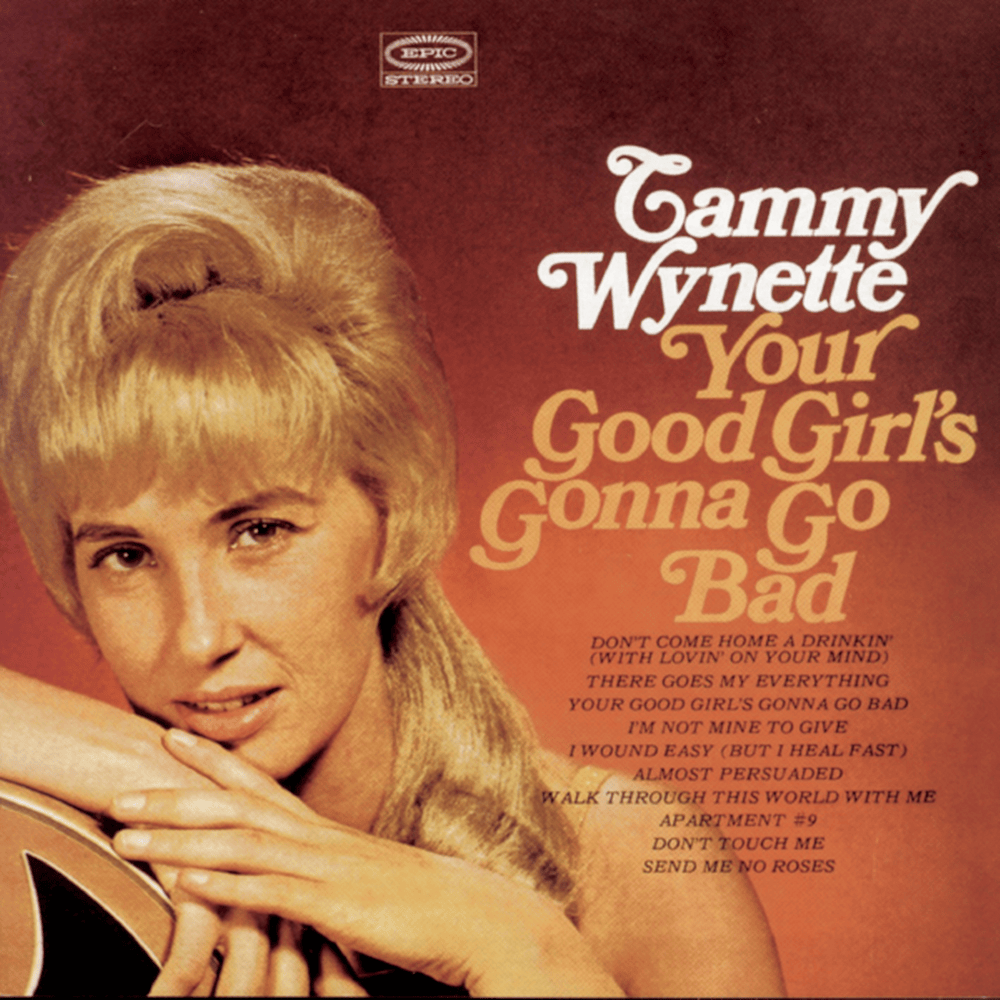
 View Artist