Song Meaning
The lyrics paint a stark picture of lingering possessiveness and heartbreak, focusing on the narrator's obsessive thoughts about an ex-lover's new relationship. The central narrative is a series of pointed questions directed at the ex, probing whether he replicates the intimate details of their past relationship with his new partner. The narrator seems fixated on the idea that even in his new romance, he's unconsciously, or perhaps consciously, drawing from their shared history, making every touch and gesture a painful echo for the narrator.
The dominant emotional tension arises from the narrator's inability to let go, even while acknowledging the ex has moved on. The repeated questions, "Do you hold her all night long?" and "Do you sing her our love song?", aren't just curiosity; they're charged with a desperate need to know if their past intimacy is being erased or, more painfully, replayed. This creates a conflict between the reality of the ex's new relationship and the narrator's persistent emotional claim, encapsulated in the plea, "Think of me."
The most striking aspect of the craft is the relentless, almost accusatory questioning that forms the backbone of the verses. These questions are designed to highlight the narrator's perceived betrayal and the phantom presence of their past love in the ex's present actions. The repeated refrain, "Every time you touch her, think of me," acts as a haunting command, a desperate attempt to insert themselves into the new intimacy. The lyrics suggest the narrator believes the ex's new love is built on borrowed memories, a notion that fuels their pain.
This lyrical approach is effective because it externalizes intense internal anguish through direct, almost confrontational, questioning. It avoids self-pity by projecting the pain outward, forcing the listener to consider the ex's actions through the narrator's fractured perspective. The focus on specific, intimate acts – holding, singing, kissing – makes the abstract pain of heartbreak feel tangible and deeply personal, underscoring the narrator's feeling that their love story is still being written, just not by them.
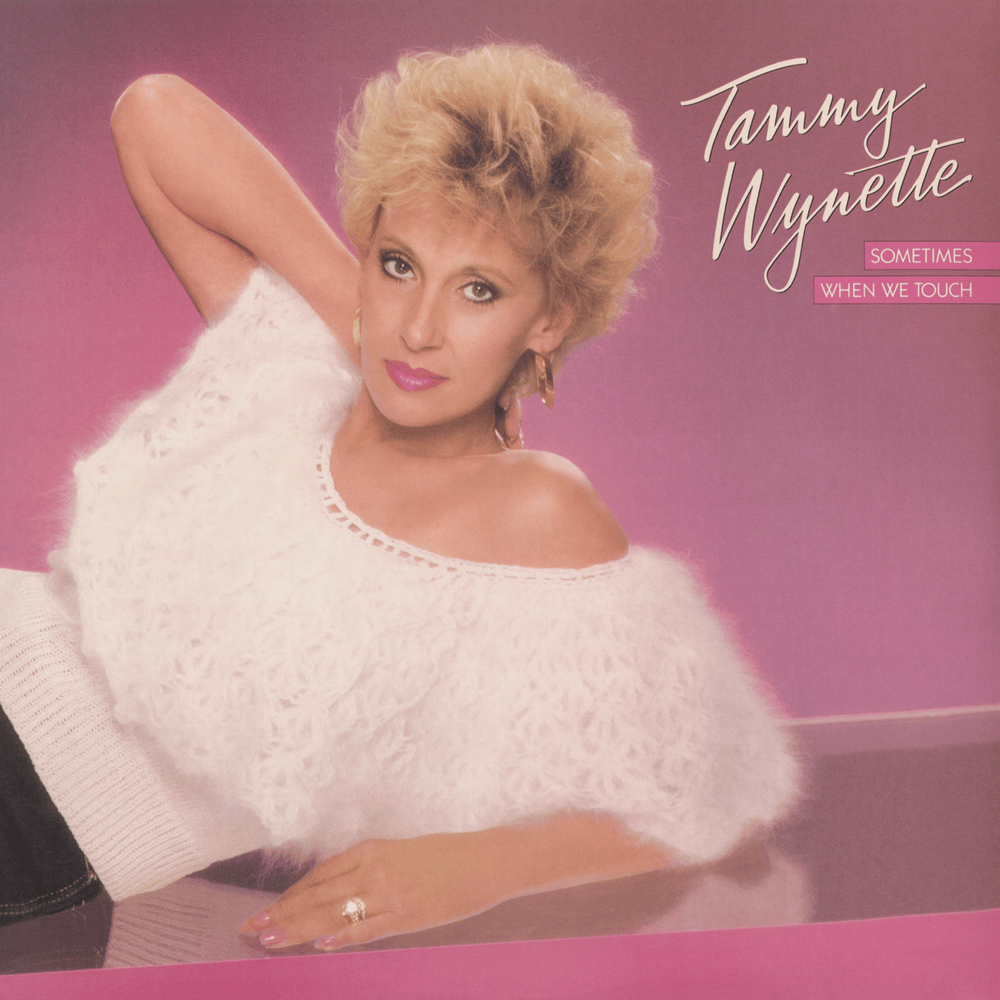
 View Artist