Song Meaning
The lyrics paint a picture of lingering affection for a past love, triggered by a simple celestial cue. The narrator observes the "quarter moon," a specific image that immediately conjures memories of a former partner, prompting a gentle, almost wistful question: "Are you thinking of me too?" This sets a tone of quiet reflection, tinged with the acknowledgment that the relationship, while significant, was finite. The narrator finds a peculiar comfort in this bittersweet remembrance, recognizing the value of the experience even in its conclusion.
The central tension lies in the narrator's acceptance of loss alongside an enduring appreciation for what was. There's a clear sense of past intensity, captured by the repeated, rhetorical questions about setting "the nights on fire" and whether "a flame burn any higher." This isn't about regret, but rather a powerful affirmation of a love that burned brightly, even if it couldn't last forever. The phrase "If only for a time" acts as a recurring anchor, grounding the passionate memories in the reality of their impermanence.
The most striking aspect of the writing is its use of rhetorical questions to build a shared, undeniable past. Phrases like "Didn't we love?" and "Wasn't it so sweet?" aren't seeking answers but are declarations, designed to evoke a mutual understanding of a profound connection. This technique transforms a personal reflection into a powerful, almost communal statement about the intensity of their shared experience. The contrast between the "sad" feeling and the "smiling" is a subtle but effective way to convey the complex emotional landscape of remembering a beautiful, ended love.
Ultimately, the lyrics resonate because they articulate a universal truth about cherished memories. The narrator's willingness to "fall / Than never to have flown at all" encapsulates the idea that even a temporary, intense love is profoundly worthwhile. The writing avoids melodrama, instead offering a mature, heartfelt acknowledgment of a love that, while past, undeniably shaped the narrator's present, leaving a sweet, if "bitter sweet," imprint.
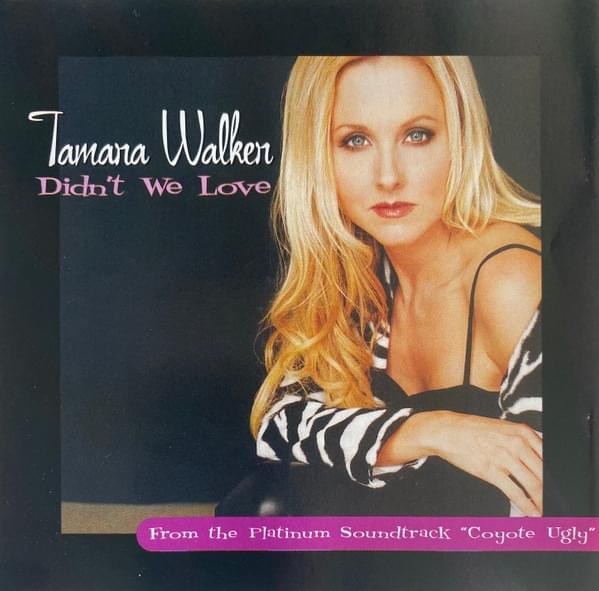
 View Artist