Song Meaning
The lyrics paint a picture of a relationship where one person feels relentlessly attacked and misunderstood by the other. The opening lines, "She hits me like a hammer everyday / Does she think I am a nail?" immediately establish a tone of aggressive frustration. The narrator perceives the other person's actions as a constant, forceful impact, questioning their intent and the perceived lack of empathy. This isn't just a minor disagreement; it's a daily assault that leaves the narrator feeling battered and vulnerable.
The central tension lies in the narrator's desperate attempt to connect versus the other person's apparent indifference and destructive behavior. The narrator feels unheard, asking "Does she think I am afraid?" and "Does she think I am deaf?" as their attempts at communication or shared experience are met with what seems like willful ignorance or even malice. The repeated phrase "She just can't afford to buy some joy" suggests a deep-seated unhappiness in the other person, which the narrator interprets as the root cause of their own suffering, yet this understanding doesn't alleviate the pain.
The lyrics employ striking, almost violent imagery to convey this emotional disconnect. The comparison of the other person to a "hammer" and a "rocket" highlights their unpredictable and forceful nature, while the narrator feels like a passive recipient, a "nail" or someone unable to "cath a breeze of her." The narrator's decision to "throw my pen away" signifies a surrender to the futility of trying to articulate their feelings or resolve the conflict, especially after their "letters for you" went unanswered.
Ultimately, the effectiveness of these lyrics stems from their raw portrayal of emotional exhaustion and the feeling of being trapped in a one-sided, damaging dynamic. The narrator's shift from trying to engage to giving up entirely, coupled with the stark, almost brutal metaphors, creates a powerful sense of despair. The final declaration that she is a "funny girl" lands with a heavy dose of irony, underscoring the narrator's resignation and the absurd tragedy of their situation.
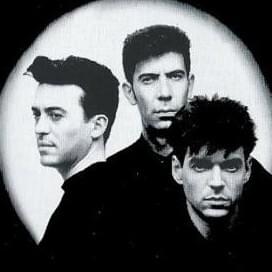
 View Artist