Song Meaning
The lyrics paint a picture of a powerful, nature-aligned figure who protected a pristine island paradise. This individual, described as "hijo de volcán" and "depredador de usureros," seems to have been a fierce guardian of the land, "vestida de verde y cal." Their love was "insobornable," and they made a "pacto con la vida," living like the "guincho," a local bird. The initial verses establish this almost mythical protector and the vibrant, natural setting of "Famara."
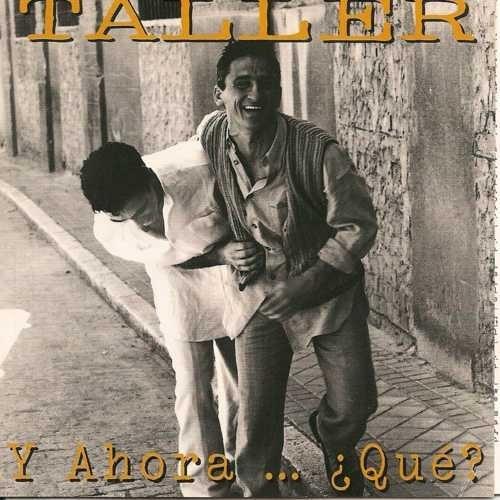
The central tension arises from the abrupt departure of this protector, leaving a profound question: "Y ahora... ¿Qué?" The lyrics express a sense of loss and vulnerability, as the island's future is uncertain without its guardian's "luz" and "firmeza." The narrator fears being "perdidos" without this guiding force, highlighting the deep reliance on the protector's presence and influence.
A striking element is the contrast between the protector's vibrant, life-affirming presence and their eventual demise, becoming "sangre ceniza y cal." The repetition of "verde y cal" emphasizes the earthy, foundational elements of the island they embodied and defended. The phrase "U-Titerroygratrá" adds a unique, almost incantatory sound, perhaps representing the spirit or essence of this protector.
This lyrical construction effectively conveys a sense of elegy and urgent concern. The invocation of "cien mil gritos que resuenen / Como tu voz" suggests a call to action, urging others to carry on the protector's message of environmental stewardship. The final lines, "Sin una flor / Sin agua y sol," underscore the fundamental needs for survival, implying that the protector's legacy is tied to the preservation of these essential elements.
 View Artist