Song Meaning
This track paints a vibrant picture of collective liberation and shared prosperity. It opens with an invitation to a communal celebration, urging everyone to participate and awaken to a more equitable reality. The imagery of a "repartido pastel" (shared cake) and a "fiesta" (party) immediately sets a tone of abundance and inclusivity, suggesting a world where resources and joy are distributed widely.
The core of the song lies in its powerful series of negations, building a vision of a world free from deprivation. Phrases like "Ni un solo trabajo sin gente" (Not a single job without people) and "Ni una sola boca vacía" (Not a single empty mouth) articulate a deep desire for universal security and fulfillment. This relentless focus on what *won't* be lacking creates a strong sense of hope and a blueprint for a just society, where basic needs are met and suffering is alleviated.
The repeated refrain, "A por todas vamos / Todas las queremos" (We go for all / We want them all), acts as a rallying cry, emphasizing a commitment to achieving total emancipation and embracing every aspect of this ideal. This isn't about incremental change; it's a full-throated demand for everything that makes life meaningful and secure. The lyrics then expand this vision to encompass the natural world, claiming "Todo el aire todo el ozono / Todo el bosque es nuestro y es verde" (All the air, all the ozone, all the forest is ours and it is green), linking environmental stewardship to this broader fight for collective well-being.
Ultimately, the song resonates because it articulates a profound yearning for a world where no one is left behind. The narrator's personal discovery of "diez mil libertades" (ten thousand freedoms) since birth, and their vow "No he de renunciar a ninguna" (I will not give up any of them), grounds this grand vision in individual experience. It’s a powerful declaration that the pursuit of total freedom and justice is not just a possibility, but an ongoing, unwavering commitment.
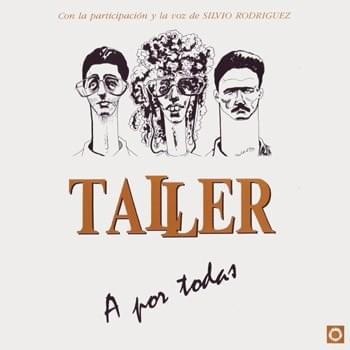
 View Artist