Song Meaning
The lyrics of "Stay Hungry" present a fascinating, almost clinical, approach to initiating and sustaining a connection. The opening lines, "I think we can signify our love now" and "you can initiate an impulse of love," frame affection not as a spontaneous feeling, but as a deliberate, almost mechanical process. It's as if love is a program to be run, requiring specific commands and inputs to get started. This sets a tone that is both intriguing and slightly detached, focusing on the mechanics of connection rather than its emotional effusion.
The core of the song lies in the relentless, almost hypnotic repetition of commands in the chorus: "Stay hungry, stay hungry, stay hungry." This isn't about literal hunger, but a drive, a need for more, for action, for continuation. It's paired with equally insistent directives like "Move a muscle," "Make a motion," and "Pull it tighter." These phrases create a sense of urgent, physical momentum, suggesting that maintaining this connection, or perhaps any significant endeavor, requires constant, active effort. The "double beating, double beating, double beating" and "palpitation" further amplify this feeling of an internal, physical urgency that fuels the drive.
The outro offers a more tangible, sensory grounding after the abstract commands. "Here's that rhythm again," "Here's my shoulder blade," "Here's the sound I made," and "Here's the picture I saved" shift the focus to concrete, personal experiences and their residual traces. These are the physical manifestations, the evidence of the actions and rhythms previously called for. It suggests that the "hunger" and the "motions" lead to tangible outcomes, to a personal history that can be pointed to and presented, reinforcing the idea that sustained effort creates a lasting impact.
Ultimately, "Stay Hungry" crafts a compelling narrative about the active, almost athletic, nature of maintaining desire and connection. The lyrics suggest that love, or any meaningful pursuit, isn't a passive state but a continuous act of will and physical engagement. The power comes from the insistent, rhythmic commands that build a sense of purpose and drive, culminating in the tangible evidence of effort presented in the outro, making the abstract concept of "hunger" feel like a vital, actionable force.
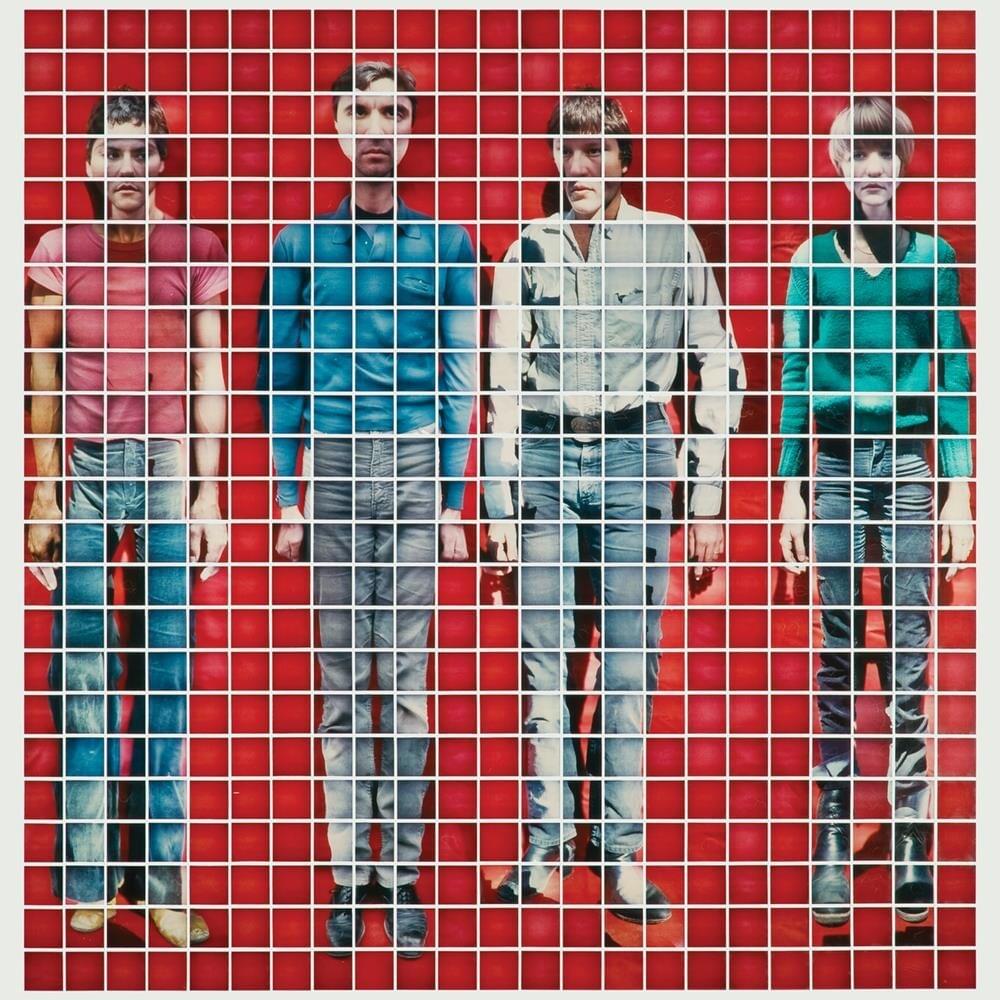
 View Artist