Song Meaning
The live performance of "Ain’t Gwine to Whistle Dixie (Any Mo’)" opens with a stark instrumental passage, immediately setting a somber and reflective mood. This deliberate lack of vocals at the outset invites the listener into a space of quiet contemplation before the lyrical narrative even begins. It suggests the weight of the message to come, allowing the music itself to convey a sense of gravity and anticipation.
The absence of lyrics in the initial moments also serves to highlight the significance of the spoken words that follow. When the performance finally introduces vocalization, it’s not through song but through a spoken declaration, emphasizing the directness and urgency of the sentiment. This choice underscores that the message is not merely a musical expression but a profound personal statement.
The title itself, "Ain’t Gwine to Whistle Dixie (Any Mo’)", carries immense historical and cultural weight, even without further lyrical context. The phrase "whistle Dixie" is often associated with a nostalgic or even celebratory view of the American South, particularly its pre-Civil War era. By declaring an end to this practice, the narrator signals a definitive break from that past and its associated ideologies.
This refusal to "whistle Dixie" suggests a rejection of a romanticized or uncritical perspective on Southern history and identity. The live setting amplifies this, as the raw delivery of the spoken word can feel more immediate and personal than a sung melody. It’s a powerful, albeit brief, statement of disavowal, marking a point of no return in the narrator’s relationship with a particular cultural narrative.
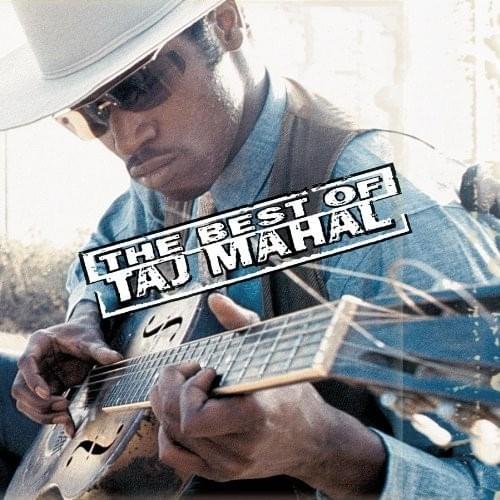
 View Artist