Song Meaning
The lyrics paint a picture of someone grappling with vulnerability in a relationship, wanting to maintain a sense of personal space while also seeking reassurance. The narrator expresses a desire for their partner not to "enter their heart" or "peer in further," not out of malice, but because they feel they can't be as "interesting" or "talkative" as others. This suggests an internal struggle with self-perception and a fear of not measuring up, leading to a need for boundaries that are simultaneously asserted and softened with phrases like "it doesn't mean I dislike it."
The central tension arises from the narrator's simultaneous need for emotional distance and deep connection. They acknowledge that "it's okay to have parts you don't know," yet the repeated "separately, separately, separately..." emphasizes a persistent feeling of being misunderstood or not fully seen. This internal conflict is amplified by the unexpected tears that fall, a physical manifestation of emotions they seem reluctant to fully express or perhaps even understand themselves, despite the assertion that past feelings "weren't lies."
The most striking lyrical device is the conditional promise tied to "100 kisses." The narrator states that if they receive "100 kisses," they want to hear "I love you" 100 times, which would then enable them to "forgive you 100 times." This creates a transactional, almost ritualistic framework for emotional healing and acceptance. Later, the promise shifts: 100 kisses lead to dreaming of the partner 100 times, and then a plea to "kiss me 100 times in dreams too." This evolution highlights a growing dependence on the partner's presence, even in the subconscious, as a means of processing and reciprocating affection.
This song resonates because it captures the delicate dance of intimacy where insecurity meets a yearning for profound validation. The narrator's desire for a quantifiable measure of love – 100 kisses, 100 "I love yous" – is a poignant, if unconventional, way of seeking certainty in a relationship. The craft lies in framing vulnerability not as weakness, but as a condition that requires specific, almost mathematical, acts of love to overcome, ultimately leading to a "My Love Story" that is earned and deeply felt.
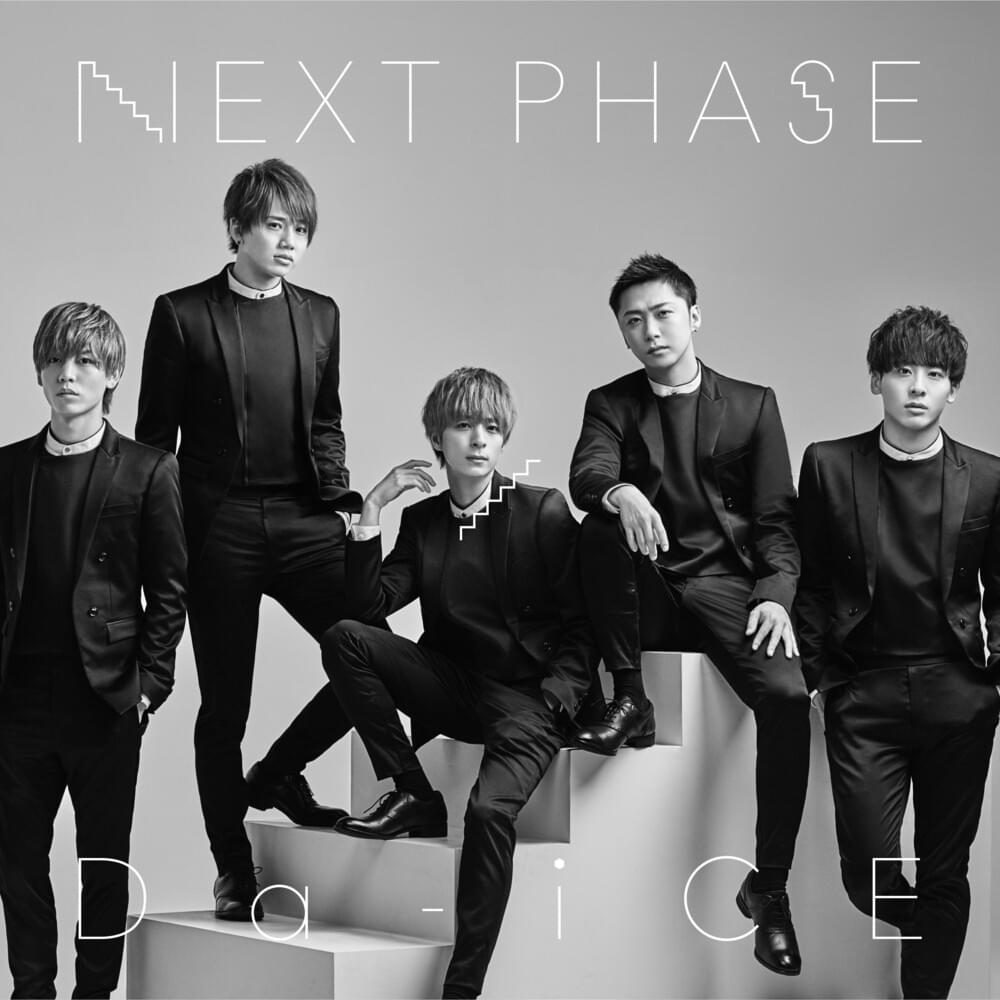
 View Artist