Song Meaning
The lyrics paint a picture of lingering memories, a poignant reflection on a past love that continues to resonate. The opening verse sets a contemplative mood, with the narrator observing the wind and clouds, triggering a recollection of similar days. This immediately establishes a sense of looking back, a quiet moment of remembrance amidst the flow of time. The imagery is simple yet evocative, suggesting a world moving on while the narrator remains caught in a specific past moment.
The core emotional tension lies in the contrast between the vividness of the memories and their irretrievable nature. The choruses present fleeting, sensory images – a summer mirage, distant ocean sounds, a winter street corner, a large coat, a lingering scent – all tied to a significant person. These are not concrete events but impressions, fragments of a past relationship that feel both intensely real and impossibly distant, like echoes of a dream. The phrase "通りすぎた夢のあと" (after the dream has passed) perfectly encapsulates this feeling of something beautiful and intense that is now gone.
The most striking aspect of the craft is the use of seasonal imagery to frame the memories. The first chorus evokes summer with its "蜃気楼" (mirage) and "潮騒" (ocean sounds), suggesting a vibrant, perhaps fleeting, period. The second chorus shifts to winter with "街角" (street corner) and "大きなコート" (large coat), implying a colder, more solitary experience of remembrance. This seasonal shift highlights how the memory of the relationship is not static but has evolved or is being re-experienced through different emotional lenses, with the "身を焼き尽くした 恋" (love that burned the body) being unforgettable regardless of the season.
Ultimately, the effectiveness of these lyrics stems from their delicate portrayal of absence and the enduring power of sensory recall. The narrator isn't detailing a dramatic breakup but rather the quiet, persistent ache of remembering. The ad-libs, a wordless "La-la-la," further emphasize a sense of wistful longing and the ineffable nature of the emotions being conveyed. It's the subtle evocation of specific, yet generalized, sensory details that makes the feeling of loss so palpable and relatable.
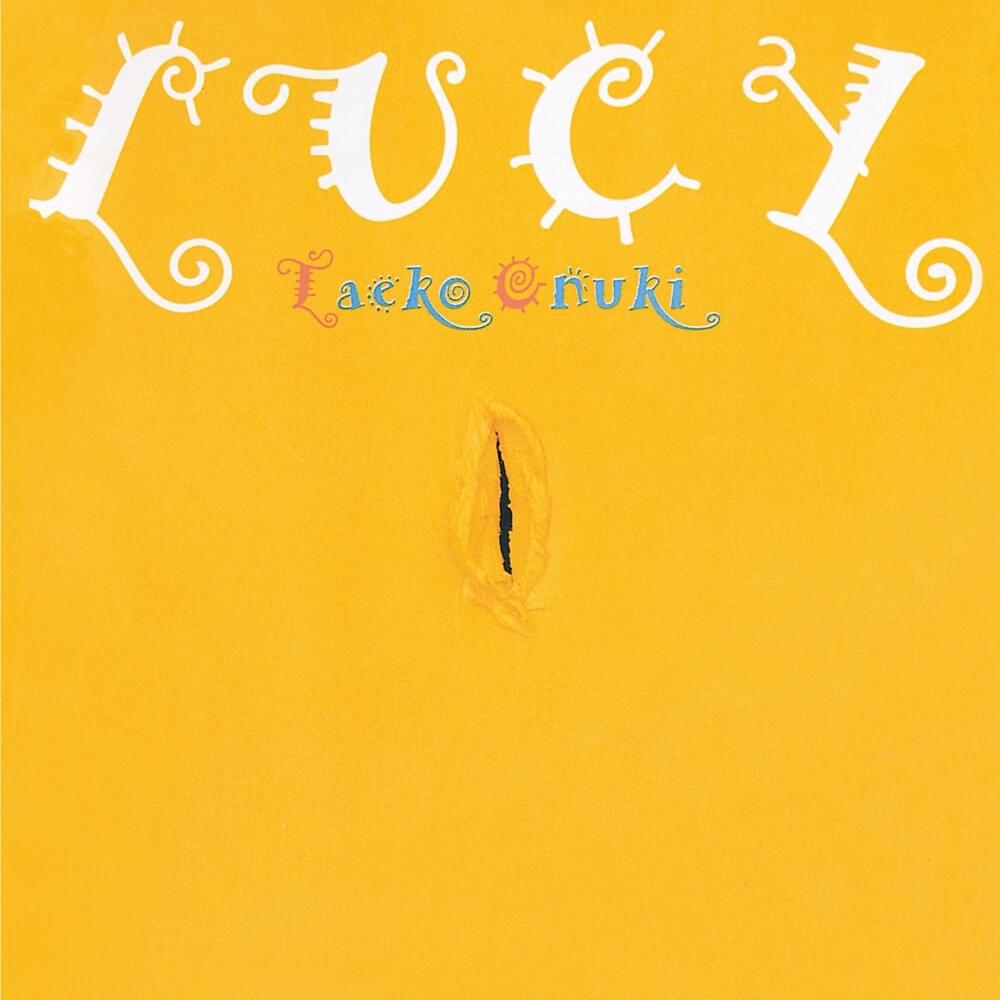
 View Artist