Song Meaning
The lyrics paint a picture of a relationship where happiness is defined by quiet, uneventful days, with the narrator offering gentle companionship. This peaceful existence is contrasted with the narrator's own source of sadness: the unspoken, untouchable past that the other person carries. The narrator's desire is to be a comforting presence, like the very air and light surrounding them, shielding them from any future storms.
The central tension arises from this difference in perceived happiness and sorrow. While one person finds contentment in stillness, the other grapples with the lingering echoes of a history they don't articulate. The narrator's sadness stems not from their own present, but from the perceived unaddressed pain of their partner, a pain that remains out of reach. This creates a subtle, poignant divide within their shared space.
The repeated phrase "Você é Bossa Nova" acts as a tender, almost musical metaphor. It suggests the partner is the essence of a certain kind of beauty or feeling – perhaps smooth, sophisticated, and inherently rhythmic, like the music itself. The narrator wishes to be the "soft fingers" or "supple fingers" playing this Bossa Nova, implying a desire to shape and protect the partner's essence, to ensure their shared song isn't disrupted by external forces.
Ultimately, the effectiveness of these lyrics lies in their delicate portrayal of unspoken emotional landscapes. The narrator's yearning to be an integral, protective element – air, light, music – highlights a deep desire for harmony and shared understanding. The final lines, "If what we seek / Is the same for you and me," reveal the core hope: that despite the differing sources of joy and sorrow, their fundamental desires align, allowing for a lasting, peaceful connection.
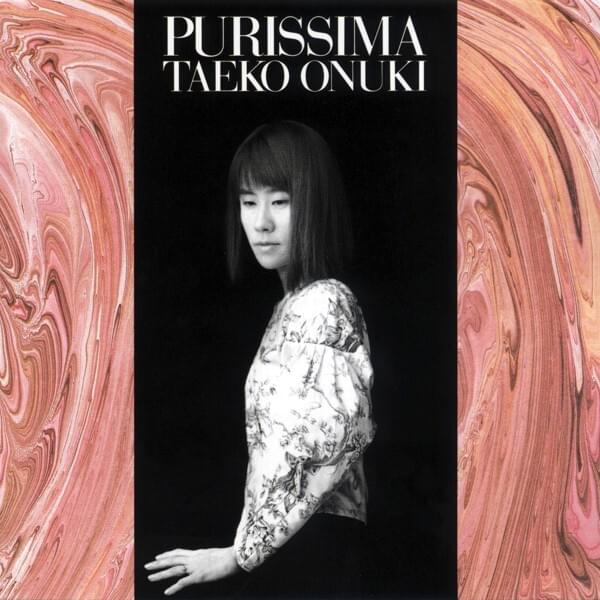
 View Artist