Song Meaning
The lyrics paint a picture of someone leaving their home, driven by a sense of emptiness and a desire to retrieve a lost piece of themselves. The opening lines, "明日 家を出たら / 虚な風に 身をまかせ" (Tomorrow, when I leave home / I'll entrust myself to the hollow wind), establish a tone of passive departure, suggesting a lack of control or a deliberate surrender to external forces. The narrator is on a quest, albeit a vague one, to find "ひとつ こばれ落ちた / 心のカケラ" (a fallen fragment of the heart), indicating a feeling of incompleteness or a past emotional wound.
The dominant tension lies in the narrator's detachment from their past and their uncertain future. The chorus, "遠のく窓明りと / 消えてゆく 足跡は / 気怠い 昨日 / おいて来た 私だから" (The receding window light and / the disappearing footprints / are because I am the me / who left behind a languid yesterday), directly links the fading traces of their departure to a conscious act of leaving behind a past self. This self is described as "気怠い" (languid, listless), suggesting a weariness or inertia that the narrator is actively escaping.
The most striking element is the recurring image of a letter from an "宛の無い街" (a town with no destination). This phrase, repeated in both Verse 2 and Verse 3, creates a sense of profound aimlessness. The letter itself, "ひとつ 胸に" (one in my chest), becomes a tangible, yet enigmatic, symbol of this journey. It's unclear if the letter represents a new connection, a memory, or a further complication, but its presence signifies that even in leaving, the narrator carries something from an uncertain place, suggesting the search for a lost heart fragment might be intertwined with this unknown origin.
Ultimately, the lyrics resonate through their evocation of a quiet, internal exodus. The deliberate act of leaving behind a "languid yesterday" and the ambiguous journey toward finding a "fragment of the heart" from a "a town with no destination" capture a specific feeling of melancholic self-exile. The craft lies in its understated imagery and the gentle, almost resigned, tone that makes the narrator's quest for wholeness feel both deeply personal and universally understood as a quiet struggle against inertia and loss.
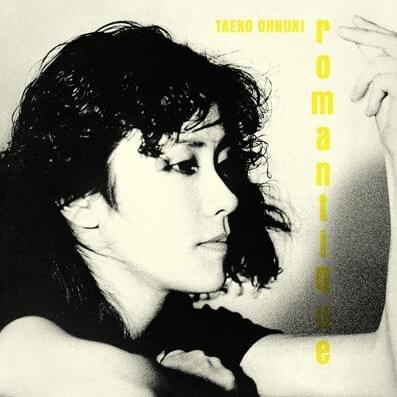
 View Artist