Song Meaning
The lyrics paint a stark picture of a society overwhelmed by illness and the relentless pursuit of cures. The opening lines immediately challenge the listener's perception, suggesting that madness isn't isolated but widespread, urging us to "open your eyes" and recognize that nothing should be taken for granted. This sets a tone of unease, hinting that the "normal" state of affairs is actually precarious.
The central tension arises from the cyclical nature of sickness and treatment. The narrator observes a pattern where "fever means a popular illness," leading to resignation and a rush to "heaven." The chorus hammers this point home with the image of "lots of medicine, pick and choose," implying an overwhelming abundance of remedies that paradoxically lead to an end, or perhaps a state where recovery is impossible because "by the time you get better, you're sick again."
What's particularly striking is the detached, almost clinical observation of this predicament. The narrator seems to be both a witness and a participant, offering platitudes like "don't overdo it, rest" while simultaneously acknowledging the impossibility of such advice: "I don't have time like you." The phrase "whatever's wrong, medicine is best" feels like a resigned acceptance of a flawed system, where the solution is always more of the same, regardless of the underlying cause.
This creates a profound sense of futility. The abundance of medicine, meant to heal, becomes a symbol of a society trapped in a loop of consumption and temporary fixes. The lyrics suggest that the sheer volume of treatment, the "pick and choose" aspect, highlights a desperate, perhaps even frantic, search for relief that ultimately offers no true escape from the pervasive sickness, both literal and metaphorical.
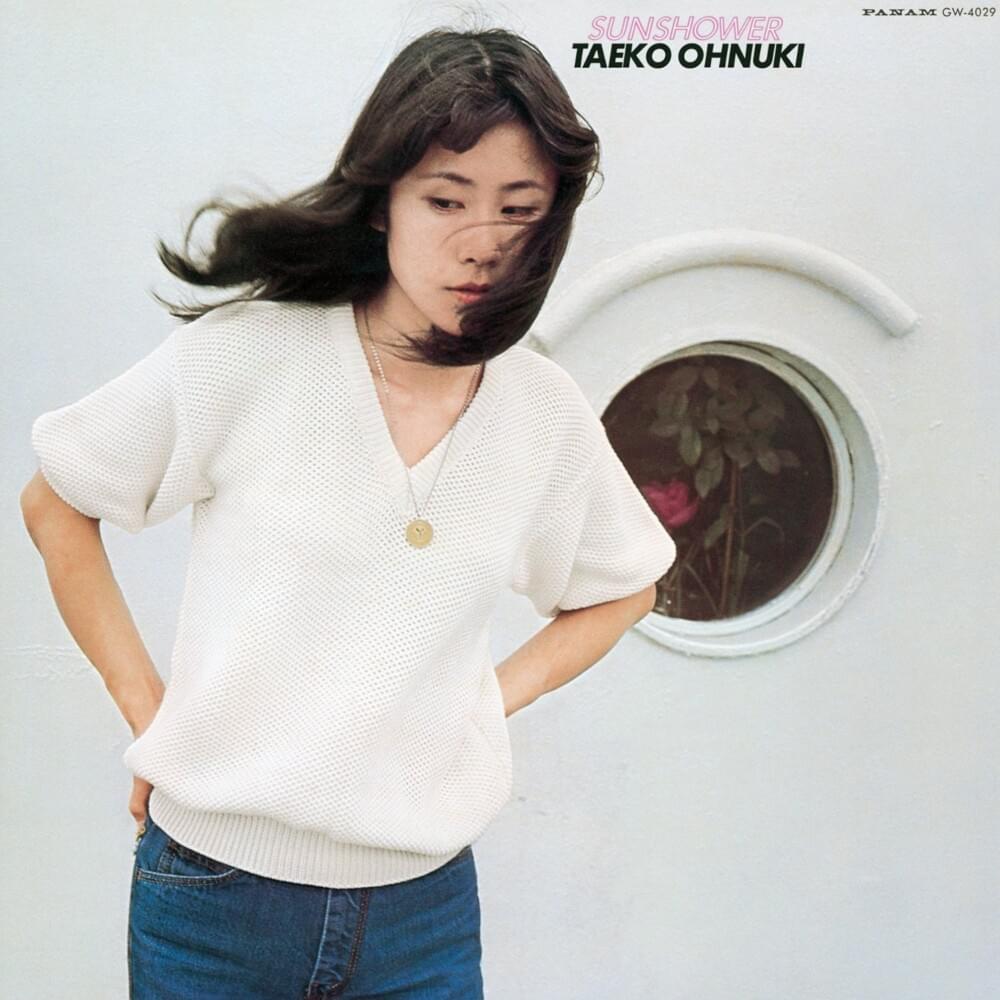
 View Artist