Song Meaning
The lyrics paint a picture of profound stillness and passive surrender. The narrator is "leaning into the swaying chair," eyes half-closed, watching "white summer dance" on their lashes. This initial image establishes a mood of languid detachment, where the self feels like an "empty shell," dissolving into the afternoon sun. It’s a scene of almost complete inertia, a deliberate fading out from the world.
The central tension lies in this willing dissolution versus the subtle intrusions of reality. While the narrator claims to have forgotten the "city's clamor," a "beckoning hand" and the "buzzing of wings" nearby suggest a gentle pull back towards consciousness or external influence. Yet, the heart is described as "glass-covered," implying a protective, perhaps fragile, barrier against these outside forces. The overwhelming feeling is one of seeking refuge in a quiet, almost numb, state.
The most striking craft element is the repeated invocation of the afternoon sun and its effects. The narrator is "melted by the afternoon sun" and later, the "remaining sun is long and quiet." This personification of the sun as both a dissolving agent and a lingering presence underscores the theme of passive absorption. The repetition in the outro, "Ah, the remaining sun is long and quiet," hammers home this sense of prolonged, peaceful, yet perhaps melancholic, stillness.
This lyrical approach is effective because it captures a specific, almost dreamlike, state of being. The focus on sensory details – the swaying chair, the dancing white summer, the buzzing wings – grounds the abstract feeling of dissolution in tangible imagery. The gentle, almost whispered tone, amplified by the repeated "Ah," creates an intimate space for the listener to experience this profound, quiet moment of rest and fading.
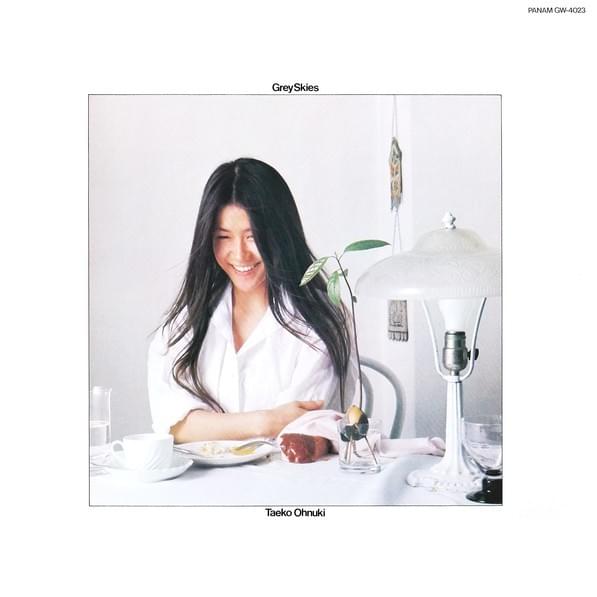
 View Artist