Song Meaning
The lyrics paint a stark picture of a goat, motionless and fixated, as twilight deepens and night falls. This initial stillness, described as "vertical head shaking," suggests a profound, almost trance-like state, a refusal to engage with the encroaching darkness. The imagery of the goat being "covered in grass from the feet up" hints at a slow, inevitable surrender to its environment, a passive absorption into the earth.
The central tension arises from the contrast between the goat's static posture and the dynamic, often harsh, changes happening around it. Verse 2 introduces a sense of impending environmental crisis: "green days are near their end," "hot dawn begins," and "the earth cracks." This escalating desolation makes the goat's continued, unmoving state feel increasingly poignant, perhaps even defiant or resigned.
The most striking transformation occurs in the post-chorus and second chorus. The goat, initially rooted, "eventually sways in the wind" and "rolls around, rumbling, until it's caught." This shift from immobility to a chaotic, uncontrolled movement is unsettling. The final act, "the goat ate that branch," offers a cryptic resolution, suggesting a desperate, perhaps instinctual, adaptation to a barren landscape, consuming even what seems like a part of its own eventual fate.
This lyrical progression is effective because it uses a simple, almost fable-like scenario to evoke a sense of existential vulnerability. The goat's journey from stillness to uncontrolled motion, culminating in a desperate act of consumption, mirrors a feeling of being overwhelmed by circumstances beyond one's control. The sparse, evocative language allows the listener to project their own interpretations of struggle and survival onto the goat's silent, unfolding drama.
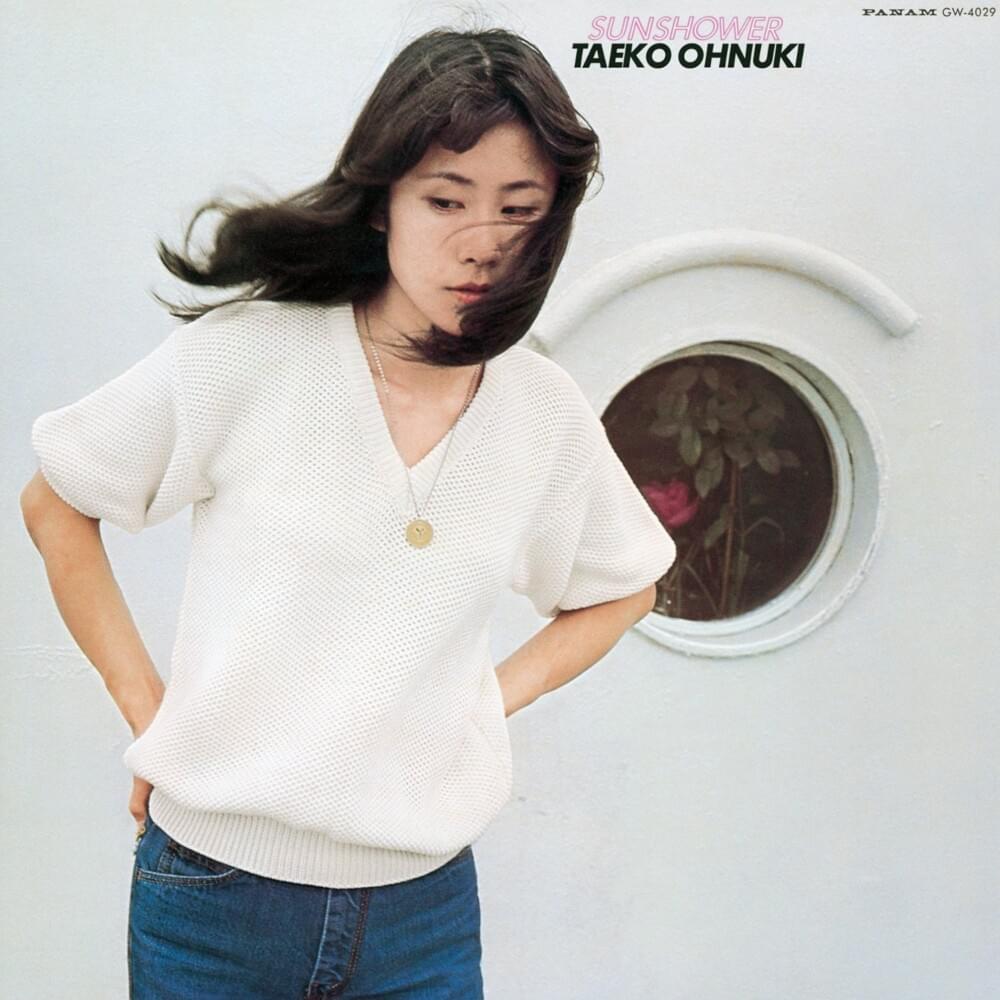
 View Artist