Song Meaning
The narrator waits at a familiar spot, a corner where she expects to meet someone. The scene is set with the gentle imagery of a church bell and pigeons taking flight, suggesting a moment of quiet anticipation. However, this peaceful setup is immediately undercut by a subtle shift in tone, hinting at an underlying melancholy. The lyrics establish a sense of hopeful waiting that feels fragile from the outset.
The core tension arises from the narrator's evolving perception of her place within the city and her relationship. She acknowledges that "good things don't always happen," a pragmatic observation that foreshadows disappointment. This internal realism clashes with the initial hopeful setup, creating a palpable sense of unease. The narrator's self-description as a "stranger passing through" underscores a feeling of detachment, even in a place she calls home.
The most striking craft element is the juxtaposition of external beauty with internal loneliness. The "edge of the sky" falling into a "small fountain" is a poetic image of something vast and unattainable contained within something small and mundane, mirroring the narrator's own contained emotions. Later, the "wind of the marronnier" in May, a time of blooming and renewal, blows on an "empty bench where no one waits." This contrast between the season's vibrancy and the emptiness of the bench powerfully conveys a sense of missed connection and isolation.
Ultimately, the lyrics resonate because they capture the quiet ache of unfulfilled expectations and the slow realization of loss. The shift from hopeful anticipation to the stark acknowledgment that "you won't come anymore" is handled with understated grace. The final fading "La-ra" suggests a lingering sadness, a melody that trails off as the narrator accepts her solitude, making the emotional impact feel deeply personal and earned.
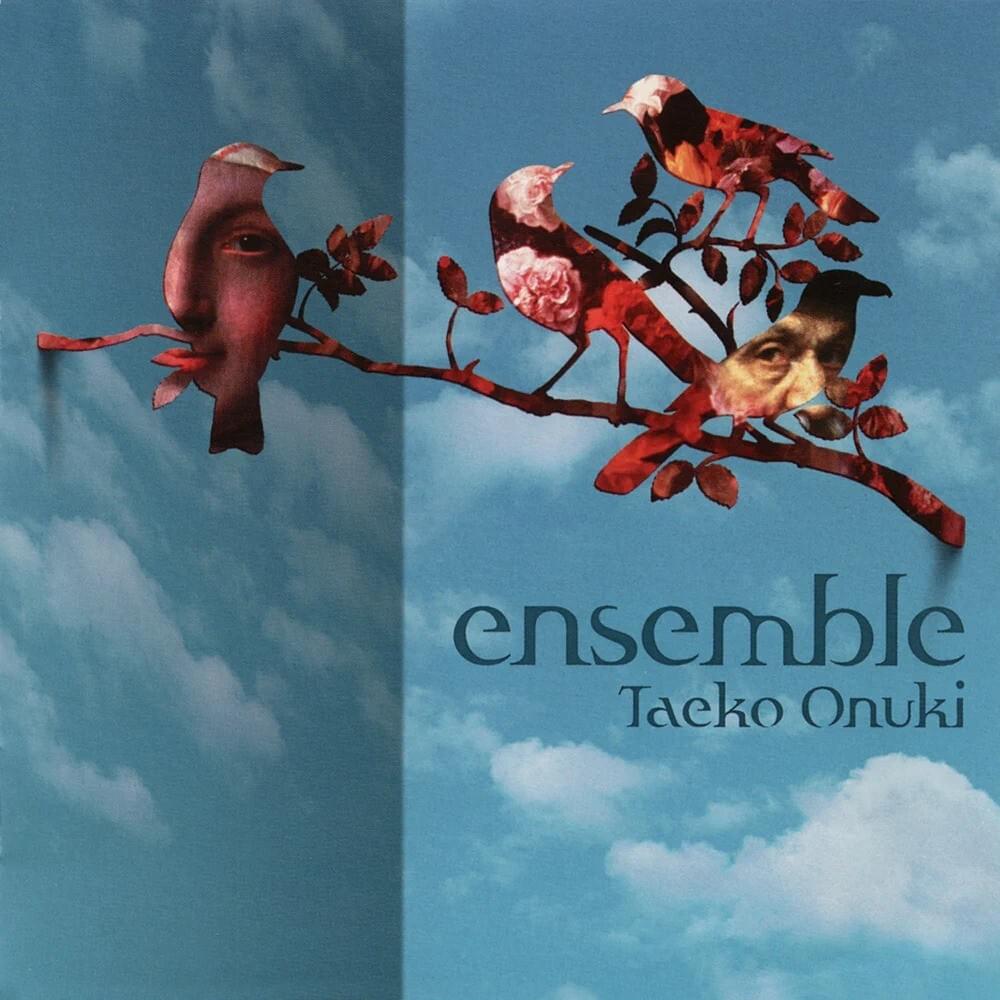
 View Artist