Song Meaning
This song paints a picture of a joyful, communal experience in a rural setting, likely Oyamada. The lyrics evoke a sense of simple pleasures: scenic rice fields under a blue sky, a relaxing evening at an onsen with yukatas, and the beauty of cherry blossoms adorning the mountains. The recurring phrase "あ、それやそれやそれや" (Ah, sore ya sore ya sore ya) acts as a lively interjection, pulling the listener into the festive atmosphere.
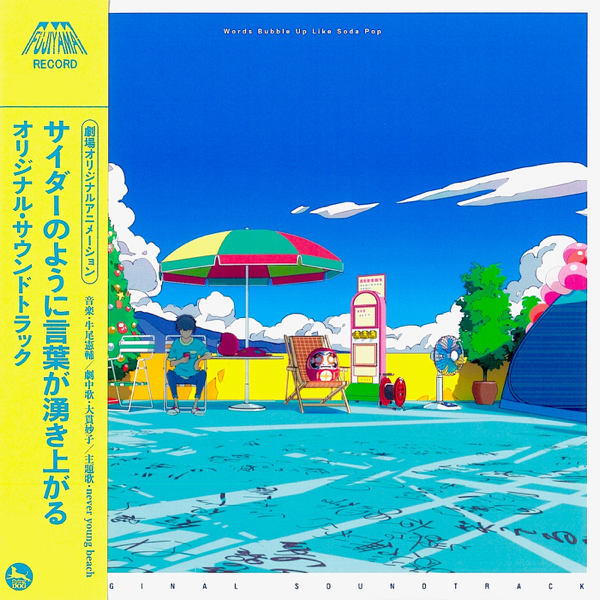
The central image is the "daruma" (a traditional Japanese doll), which is personified as dancing, singing, and laughing, all while "ころころりん" (korokororin) – rolling around. This rolling motion, coupled with the energetic "よいしょ~ こらしょ どっこらしょ~" (Yoisho~ Korasho Dokkorsho~) calls, suggests a playful, perhaps slightly tipsy, celebration. The daruma, often a symbol of perseverance, here seems to embody the spirit of uninhibited enjoyment and the cyclical nature of life and festivities.
The craft lies in the repetition and the sensory details. The consistent structure of each verse, moving from a scenic observation to a daruma action and then the energetic chorus, creates a comforting rhythm. The contrast between the serene natural imagery (rice fields, moon, mountains) and the active, rolling daruma highlights the vibrant energy of the community. The "ドーナツ" (donut) imagery, appearing both in the sky and in the context of a "ほろ酔い" (tipsy) gathering, adds a touch of whimsical, modern flavor to the traditional folk song feel.
Ultimately, the lyrics resonate through their depiction of shared happiness and the unpretentious celebration of life's simple moments. The rolling daruma, far from being a symbol of failure, becomes an emblem of enduring spirit and the sheer fun of being together, whether "浴衣の夕べ" (yukata evening) or "はたらく友よ" (working friends).
 View Artist