Song Meaning
The lyrics paint a portrait of someone deeply admired, almost deified, after their departure. The opening lines establish a serene, almost sacred memory of this person, describing their touch as wise and encompassing. This figure is presented as a "friend of air and light," suggesting a pure, ethereal nature that connects with the natural world, from the "moon that enamors volcanoes" to the "musa of your rocks."
The central tension arises from the contrast between the enduring presence of this person's influence and the finality of their "partida" (departure). The narrator experiences this loss profoundly, feeling it across the "cosmos," where "every living being" trembled. Yet, their "musa" (muse) continues to fly, indicating that their creative spirit or essence remains, a persistent echo felt by the narrator through dreams and the landscape itself.
The craft here is in the personification of nature and the elevated language used to describe the departed. The "islands," " and "Gerias" (likely referring to the Hesperides, nymphs associated with the evening and golden apples, thus art and beauty) "speak" of the person, imbuing the environment with their memory. This makes the loss feel cosmic and the legacy tangible, as the narrator is repeatedly drawn "there" in dreams, seeking this lingering presence.
Ultimately, these lyrics resonate because they capture the feeling of a profound legacy left behind. The writing elevates the departed individual to a near-mythical status, where their art and spirit are not extinguished but transformed, continuing to inspire and be felt through the natural world and the narrator's own dreams. It's a beautiful testament to how some people leave an indelible mark, becoming one with the elements they once touched.
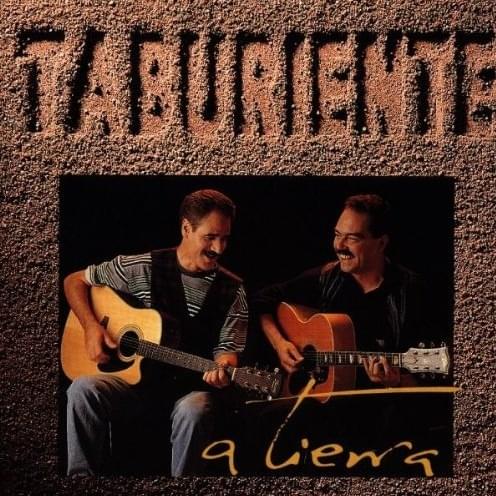
 View Artist