Song Meaning
The lyrics paint a stark, almost gothic portrait of winter's arrival, personifying it as a menacing, ancient entity. The imagery of "barren barley fields" refusing to sway immediately establishes a sense of stillness and desolation, a world held captive. This isn't just cold; it's an active, predatory force, described as a "Husky hag" and a "winter pincer" with "hoods of snowy grey."
The central tension lies in the narrator's direct address to winter itself, questioning its malevolent nature. The repeated, almost incantatory "Winter winter winter" builds a sense of dread and helplessness. The question, "Are you but a servant of the bad one," suggests a deeper, perhaps supernatural, source of this harshness, framing winter not as a natural season but as an agent of some greater darkness.
The craft here is in the relentless, almost suffocating repetition of the "hoods of snowy grey" and the personification of winter. The "frozen blue birds" and "bluebells in their hearts" are striking images, suggesting life silenced and trapped by the season's grip. The shift from "early winter" to "early darkness" in the final stanza intensifies the feeling of encroaching doom, blurring the lines between seasonal change and a more existential threat.
This lyrical approach works by creating a palpable atmosphere of dread and vulnerability. The specific, almost folklore-like descriptions of winter as a "hag" and a "pincer" make the abstract concept of cold feel tangible and terrifying. The direct questioning of winter's allegiance to a "bad one" leaves the listener with a lingering sense of unease, as if the natural world itself is under a sinister influence.
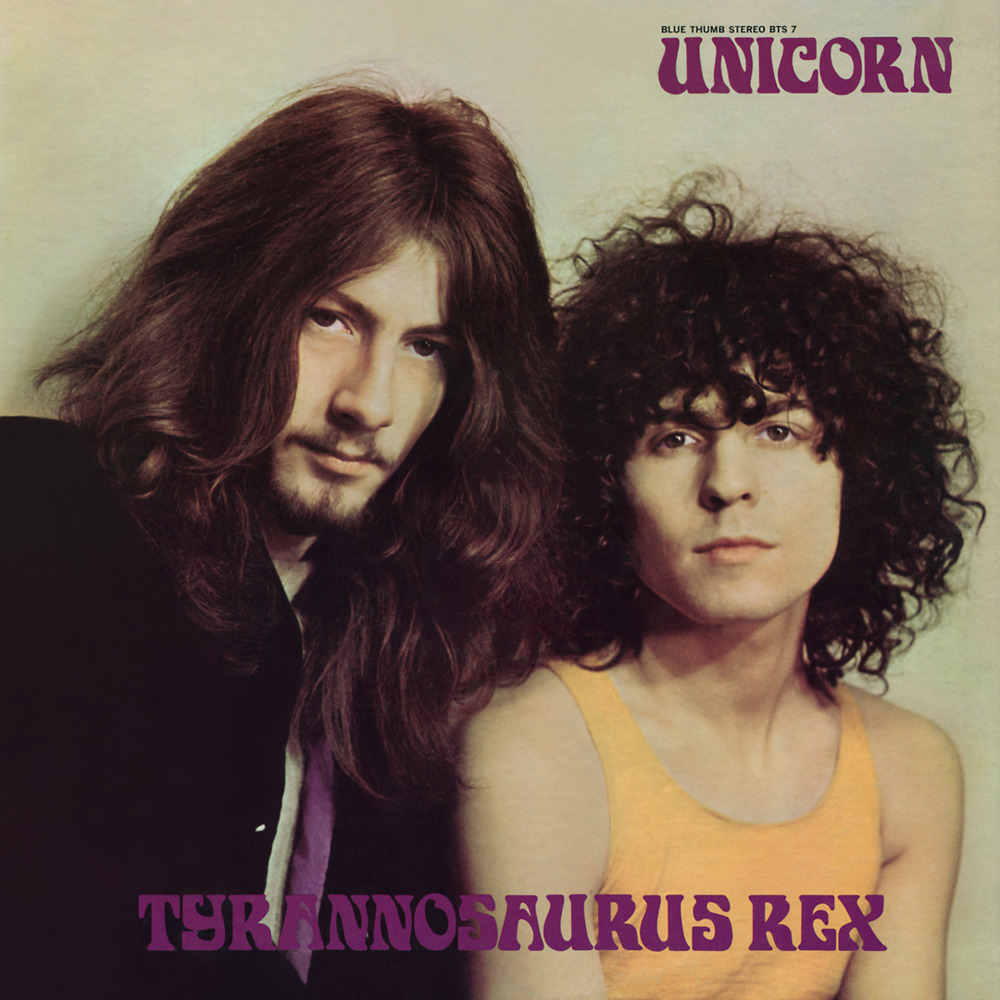
 View Artist