Song Meaning
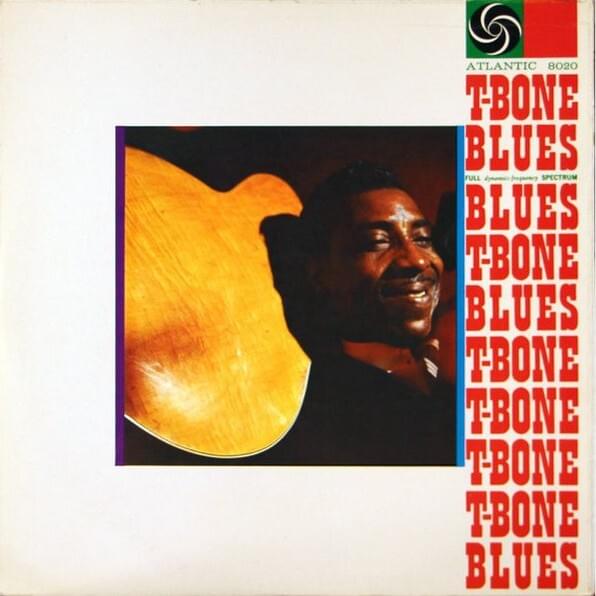
T-Bone Walker's "Stormy Monday Blues" isn't just a weather report; it's a stark depiction of cyclical despair, punctuated by fleeting moments of respite. The relentless repetition of bad days underscores a life mired in hardship, where each day bleeds into the next with increasing intensity. It's a brilliantly simple, devastatingly effective blues lament. The "stormy Monday" becomes a metaphor for the persistent gloom that hangs over the singer's existence, a feeling that deepens as the week progresses. Walker isn't just singing about a bad Monday; he's charting the course of a soul weighed down by relentless adversity.
The introduction of Friday and Saturday provides a crucial, albeit temporary, shift in tone. "The eagle flies on Friday, and Saturday I go out to play" speaks to the economic realities of the bluesman's world – payday brings a brief period of liberation and enjoyment. This is a classic blues trope: the weekend as a fleeting escape from the grinding realities of poverty and hard labor. But even this joy is tinged with the awareness that it's temporary, a brief reprieve before the inevitable return of "stormy Monday."
The final verse brings the spiritual element into sharp focus. Sunday's church visit, coupled with the plea "Lord have mercy," reveals a yearning for solace and redemption. However, it's a plea born out of desperation, fueled by heartbreak ("Crazy about my baby, yes, send her back to me"). The song's power lies in its raw honesty and emotional vulnerability. Walker lays bare the cyclical nature of suffering, the fleeting moments of joy, and the desperate search for meaning in a world that often feels devoid of hope. It's a blues masterpiece because it taps into the universal human experience of pain and the enduring search for something to believe in.
 View Artist