Song Meaning
T-Bone Walker's "Party Girl" isn't a celebration; it's a stark blues lament, a portrait of dissipation painted with the grim realism that defined much of his work. The song's immediate hook, the repeated plea, "Party girl, party girl, why don't you stay at home," isn't an invitation but an intervention. It speaks to a woman consumed by a lifestyle that is visibly, undeniably destroying her. The simplicity of the lyrics belies a deeper understanding of addiction and its consequences, a theme surprisingly resonant even today. Walker isn't judging, but observing the tragic arc of someone lost in the intoxicating allure of the nightlife.
The song's verses amplify the initial concern, detailing the physical and mental toll of this relentless pursuit of pleasure. Lines like "You've lost all your glamour / And your health its almost gone" and "Bright lights and whiskey has caused you to lose your mind" are direct and unflinching. There's a palpable sense of sorrow in Walker's voice, a recognition that the "party girl" he once knew, the one who "used to be so fine," is fading away, replaced by someone ravaged by excess. It's a cautionary tale about the seductive nature of escapism and the price it exacts.
Ultimately, "Party Girl" transcends its specific narrative to become a broader commentary on self-destruction. The image of the woman drinking "straight whiskey 'til it makes your tonsils sore" and the description of her "bags under your eyes big as a barn yard door" are not merely descriptive; they are metaphors for the hollowness and despair that lie beneath the surface of a life lived solely for fleeting gratification. The final lines, "Wake up Party girl, don't you know the cops around / You're dead on your feet / And you're on your last go round," suggest an impending crisis, a moment of reckoning that she can no longer avoid. It's a powerful, if bleak, reminder that even the most vibrant revelry can lead to ruin.
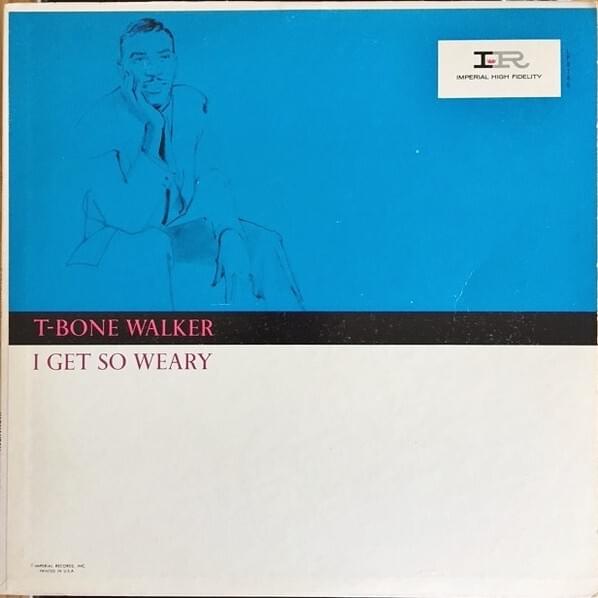
 View Artist